Opinion
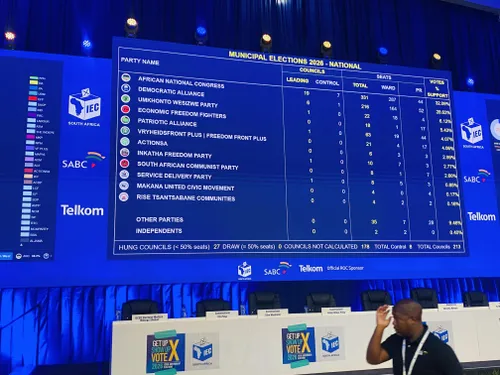
Gauteng's voters did their part. In Johannesburg, Tshwane and Ekurhuleni they returned councils in which no party holds a majority, and the DA finished first in all three, according to figures reported this week. What has followed is a negotiation conducted largely through unnamed insiders.
Consider what the public currently knows. The ANC has reportedly offered ActionSA the Johannesburg mayoralty. ActionSA spokesperson Matthew George confirmed this week that his party has received correspondence from both the ANC and the DA, but he declined to disclose either proposal. Reports of the DA's offer differ: one account has Helen Zille as Johannesburg mayor, another has DA leader Geordin Hill-Lewis taking the job. Hill-Lewis, asked about the second account, said: "We don't negotiate in the media. All options are on the table."
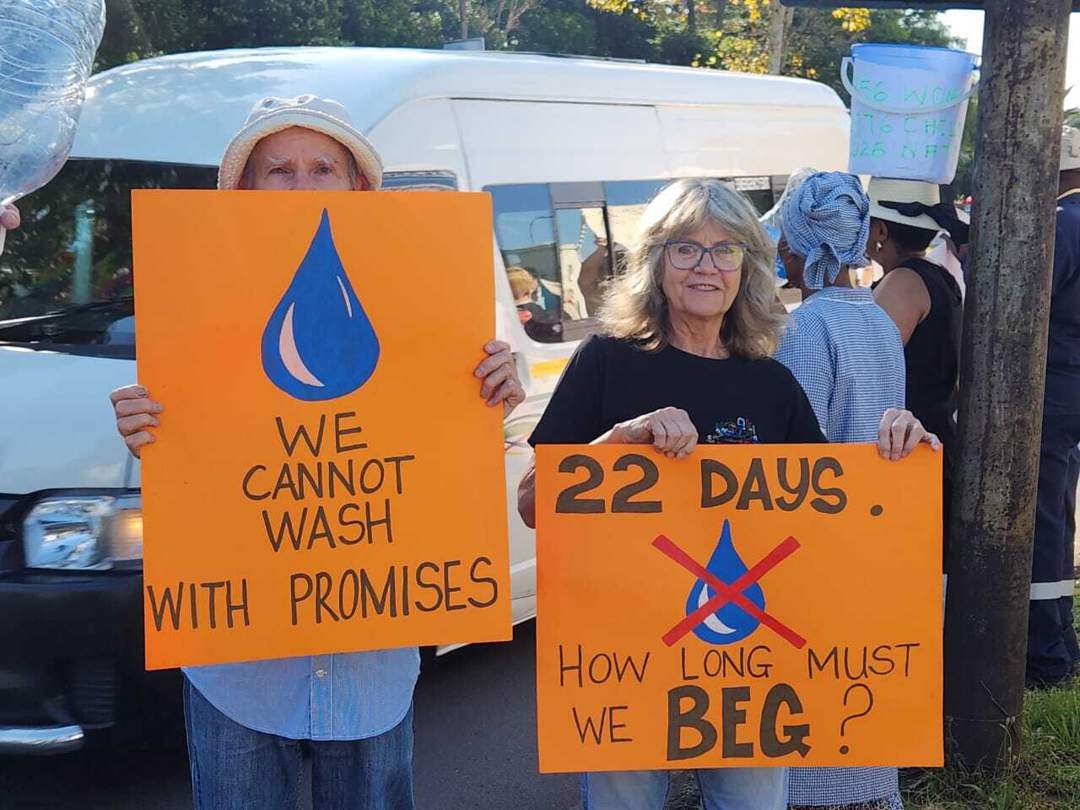
That is a reasonable line for a negotiator. It is a weaker one for parties that are about to run the budgets of cities where water restrictions, such as the Level 2 limits Tshwane has imposed for 30 days, are already part of daily life.
Why the terms matter
A coalition agreement decides who holds the mayoral chain. It also decides which policies are traded away, which posts are shared and what happens when partners fall out. ActionSA leader Herman Mashaba wrote on X on Monday: "If ActionSA goes to bed with the DA, there won't be ActionSA in 2029." Whatever one makes of that, it frames the stakes in terms of party survival rather than service delivery.
ANC spokesperson Mahlengi Bhengu has asked for patience, saying that when the party speaks it wants "to give South Africans a sense of the entire landscape". That is the right instinct. The landscape should include the written terms.
What the parties should do
- Publish the signed coalition agreements as soon as they are concluded, including mayoral and deputy posts, committee chairs and any policy commitments.
- Say publicly how disputes will be resolved and what happens if an arrangement collapses.
- Tell residents of each metro what was agreed for their city, not only who won the chain.
Council sittings in Johannesburg and Tshwane are due on Thursday. Residents will then live with whatever was agreed, and they are entitled to read it.