Opinion
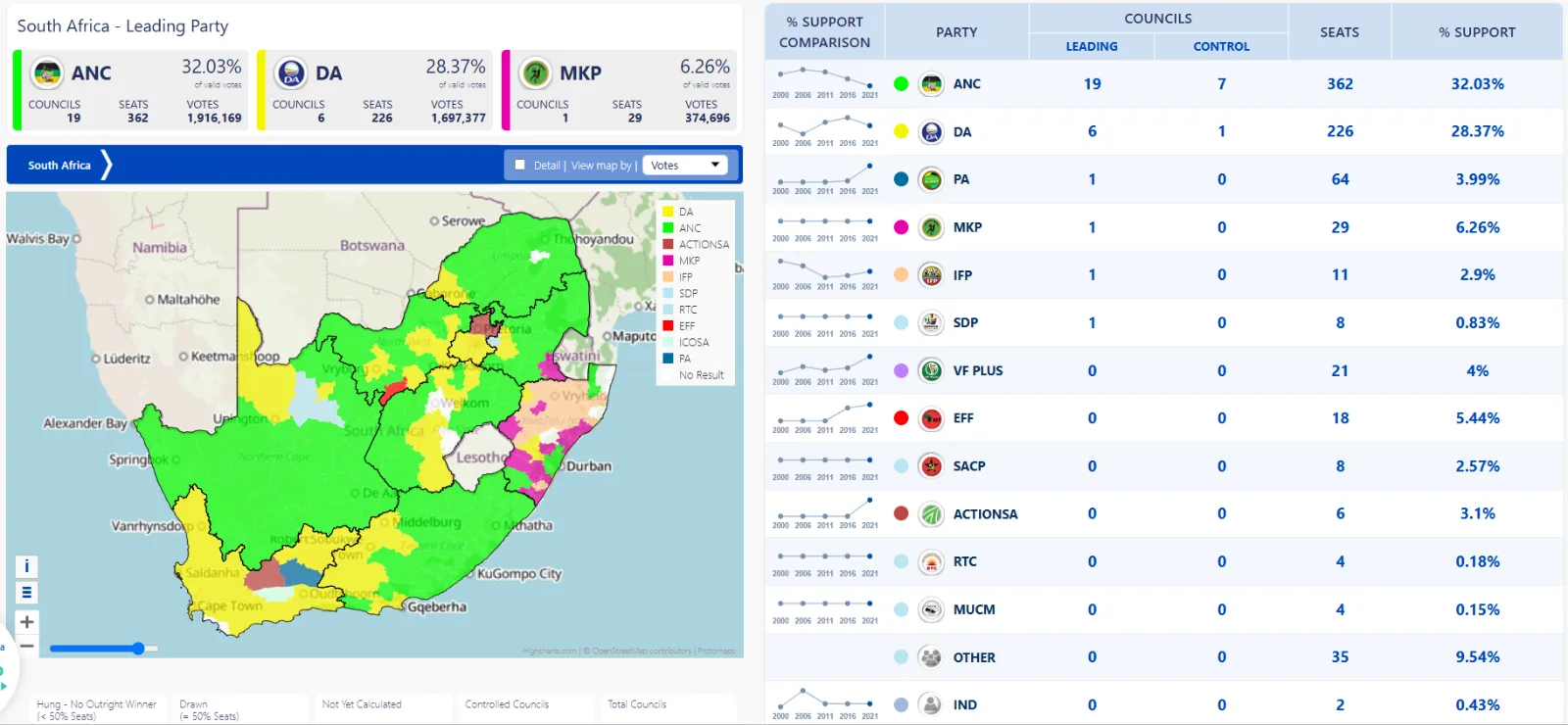
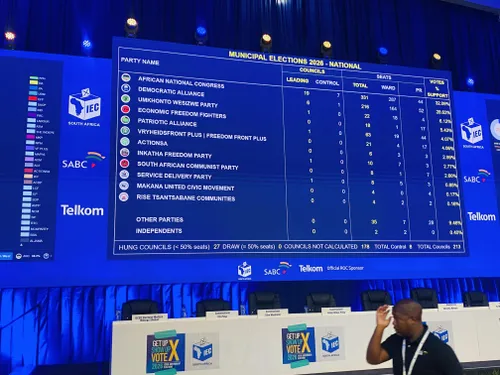
South Africa's voters have done their part. They turned out in larger numbers than in 2021, with the IEC putting national turnout at 52%, and they delivered a result in which no party can govern alone in most of the country's big cities. Now comes the harder part, and it has a deadline: new councils must be constituted within 14 days of the declaration of final results.
The clock is not the problem
A short deadline is a reason for discipline, not for secrecy. The ANC has centralised its coalition talks under a national team, the DA has drafted coalition frameworks, and smaller parties know they hold the balance in several metros. Mbalula says the ANC's approach will not be one size fits all. That may be sensible, but voters cannot judge it unless parties say what they are asking for and what they are prepared to give.
Services cannot wait for the haggling
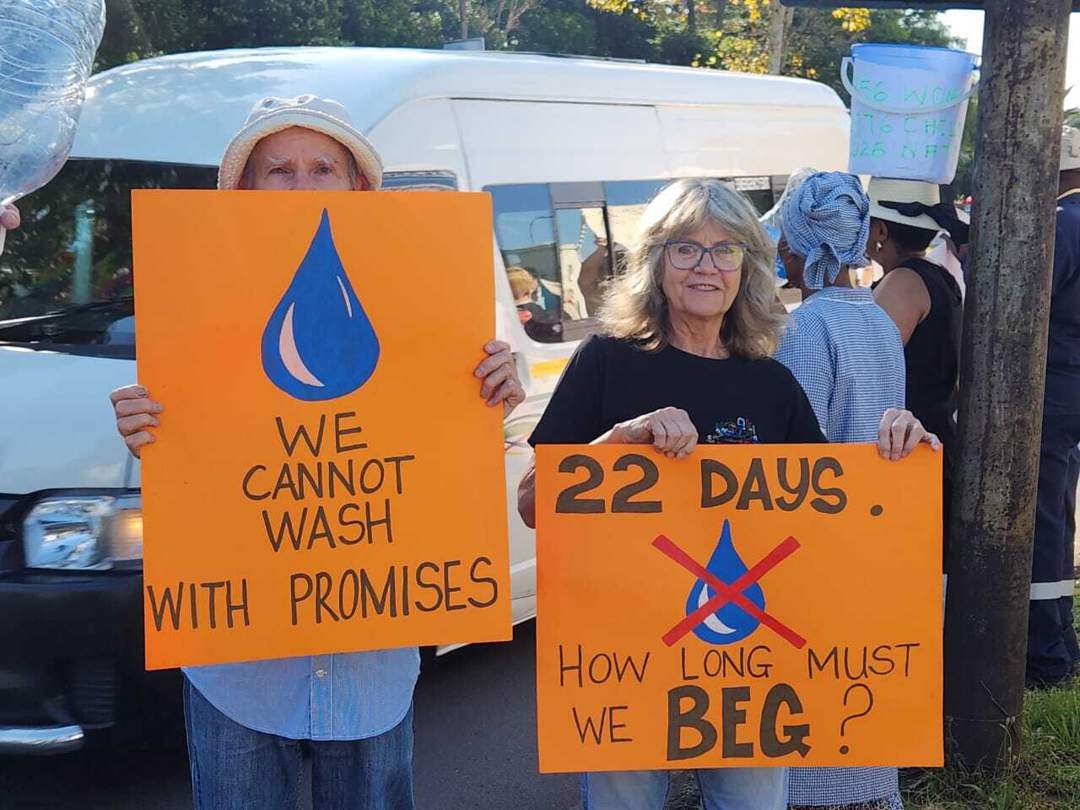
The councils in question run the things residents notice every day. In the past week, a power failure at a Rand Water pumping station cut water in parts of Ekurhuleni and Tshwane, a substation fire left parts of Johannesburg without electricity, and the SAHRC called the Gauteng water crisis a rights violation. None of these problems will pause while parties trade seats.
What parties should do
Parties should publish the terms of any coalition agreement before the first council sitting, including who gets which portfolio and what they will do about water, electricity and billing. They should name who will be accountable if a deal collapses. And they should accept that a minority government or an opposition bench, options the ANC says it is weighing, can be a legitimate outcome rather than a failure.
The alternative is a fortnight of deals struck in private, followed by months of instability. Voters sent a message at the polls that they want the basics to work. The parties should read it that way.