Opinion
The coming fortnight of coalition talks will be about who becomes mayor of Johannesburg, Tshwane and Ekurhuleni. Residents are asking something simpler: will the taps and the lights work?
The facts on the ground
Parts of Johannesburg have been without power since Sunday after a fire at the Mayfair substation, according to City Power. Last week, Rand Water supply to Ekurhuleni, Tshwane and other municipalities was cut after a power failure at a pumping station. The South African Human Rights Commission has called the Gauteng water crisis a rights violation and said cooperation is a legal duty.
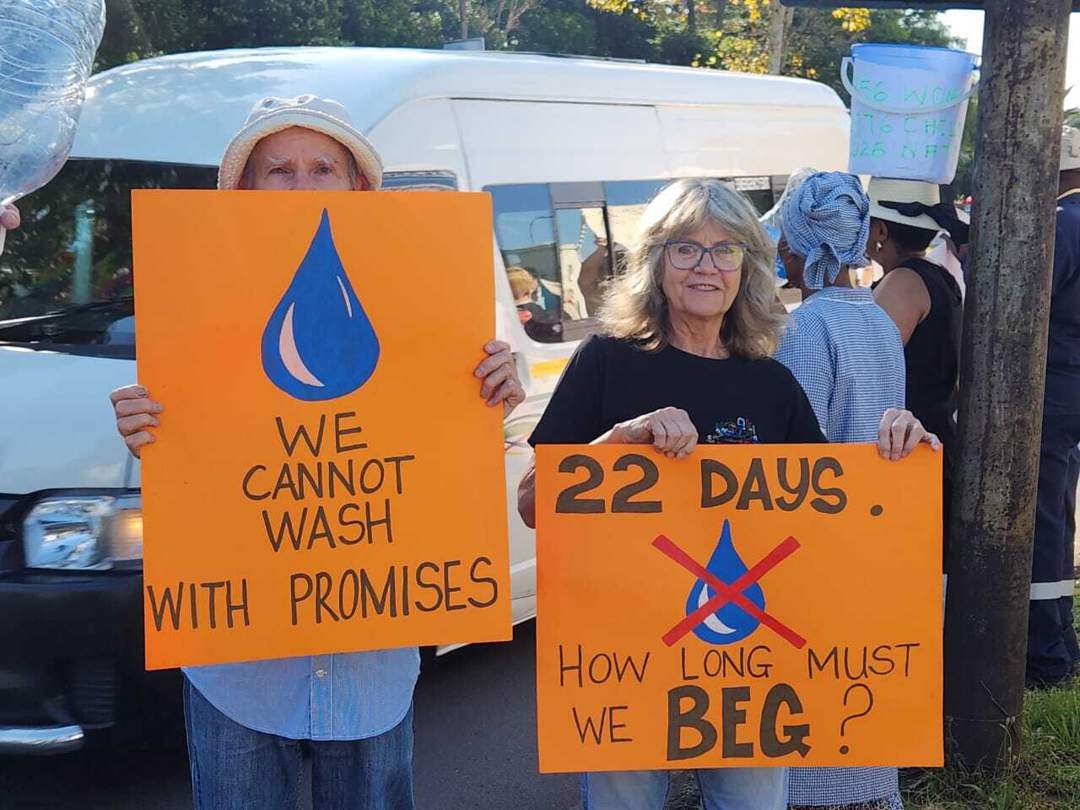
Johannesburg's mayor has acknowledged that some homes have been without water for more than 10 days. The water department has urged Gauteng residents to cut use as a heatwave and El Niño raise the risk of shortages.
The arithmetic is tight
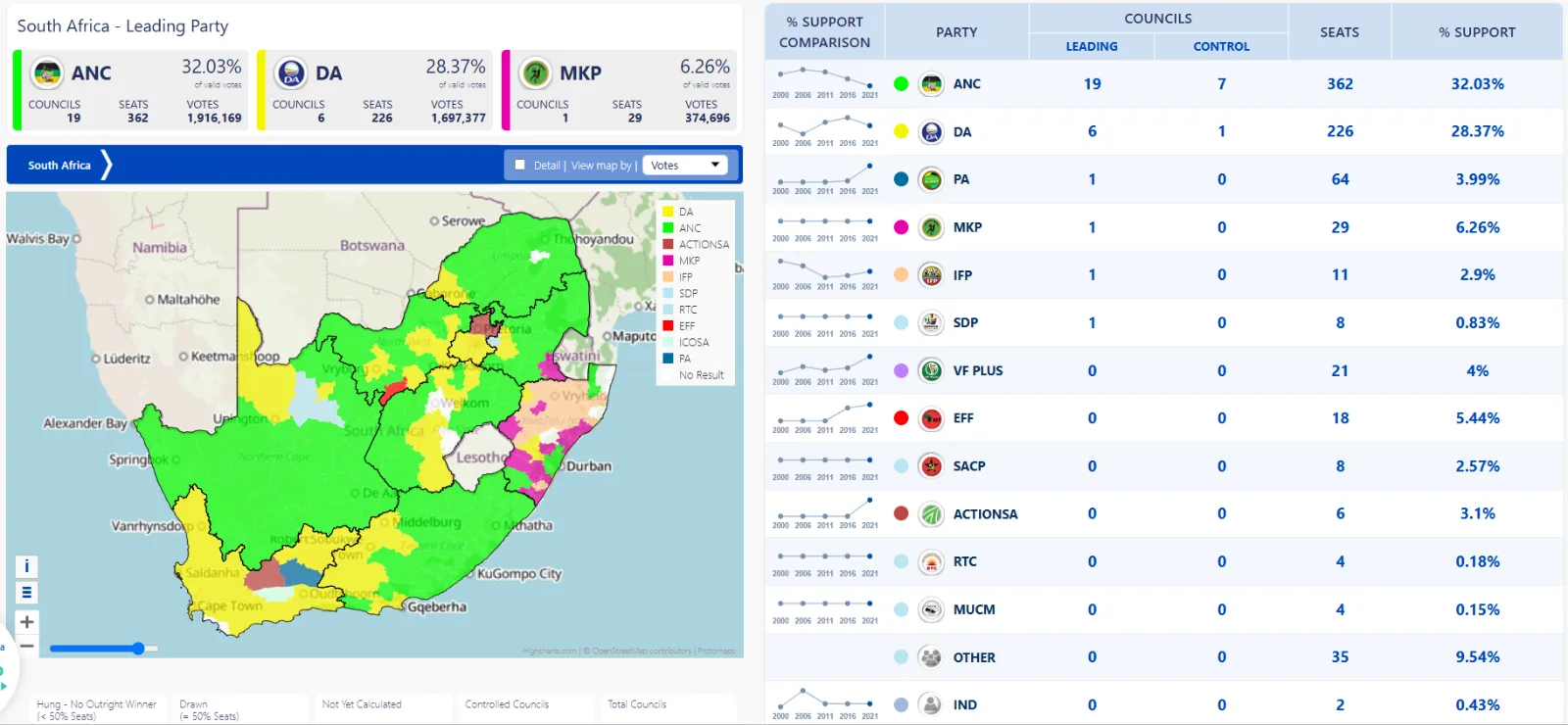
No party holds a majority in any of the three metros. Johannesburg needs 136 of 270 seats and the DA has 91. Ekurhuleni needs 113 of 224 and the DA has 66. Any government will rest on negotiated support, and that support can be withdrawn.
What coalition agreements should contain
Parties say they are in no hurry, and councils have 14 days from the declaration of results to meet. That is enough time to agree more than a division of offices. Each agreement should name who is responsible for water and electricity, publish measurable targets for repairs and maintenance, and set a date within the first 100 days to report progress to residents.
Voters did not choose a mayoral chain. They chose, in many cases, to punish parties that let infrastructure decay. Coalitions that publish their commitments give residents a way to judge them. Those that do not will face the same anger at the next election.
This is an opinion piece. The views expressed are the author's, grounded in the reported facts above.