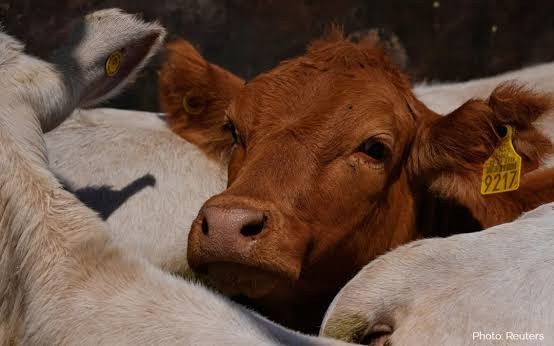
Foot-and-mouth disease has spread to Namibia's Zambezi region, the second area affected after the southern Kharas region, according to the Ministry of Agriculture, Fisheries, Water and Land Reform.
The ministry said movement of cloven-hoofed animals and their raw products is suspended throughout Zambezi, and that emergency vaccination has begun.
What the ministry announced
The ministry said 20 cattle at Kalala Island in Kabe constituency showed clinical signs on 5 October, and all 12 samples tested positive on 7 October. Livestock auctions and other animal-gathering events are halted, and slaughter at local abattoirs and informal markets is suspended. Surveillance is continuing.
The first confirmed case was on a commercial farm in the Karasburg State Veterinary District in late September, according to the ministry's notification. Movement and export restrictions were introduced after that case.
Export and trade impact
The European Union has temporarily suspended imports of fresh beef, sheep and goat meat, and some processed meat products, from Namibia. The World Organisation for Animal Health has suspended Namibia's foot-and-mouth-free status for the affected zone.
The notification we read did not say how long the suspensions will last.
What we do not yet know
- How many farms are affected in each region.
- The exact date of the ministry's announcement.
- Whether meat prices have risen. One report suggests restrictions are pushing prices up, but we have not confirmed it.
- How long the movement and slaughter suspensions will last.
- Whether the EU suspension applies to the whole country or only the affected zones.