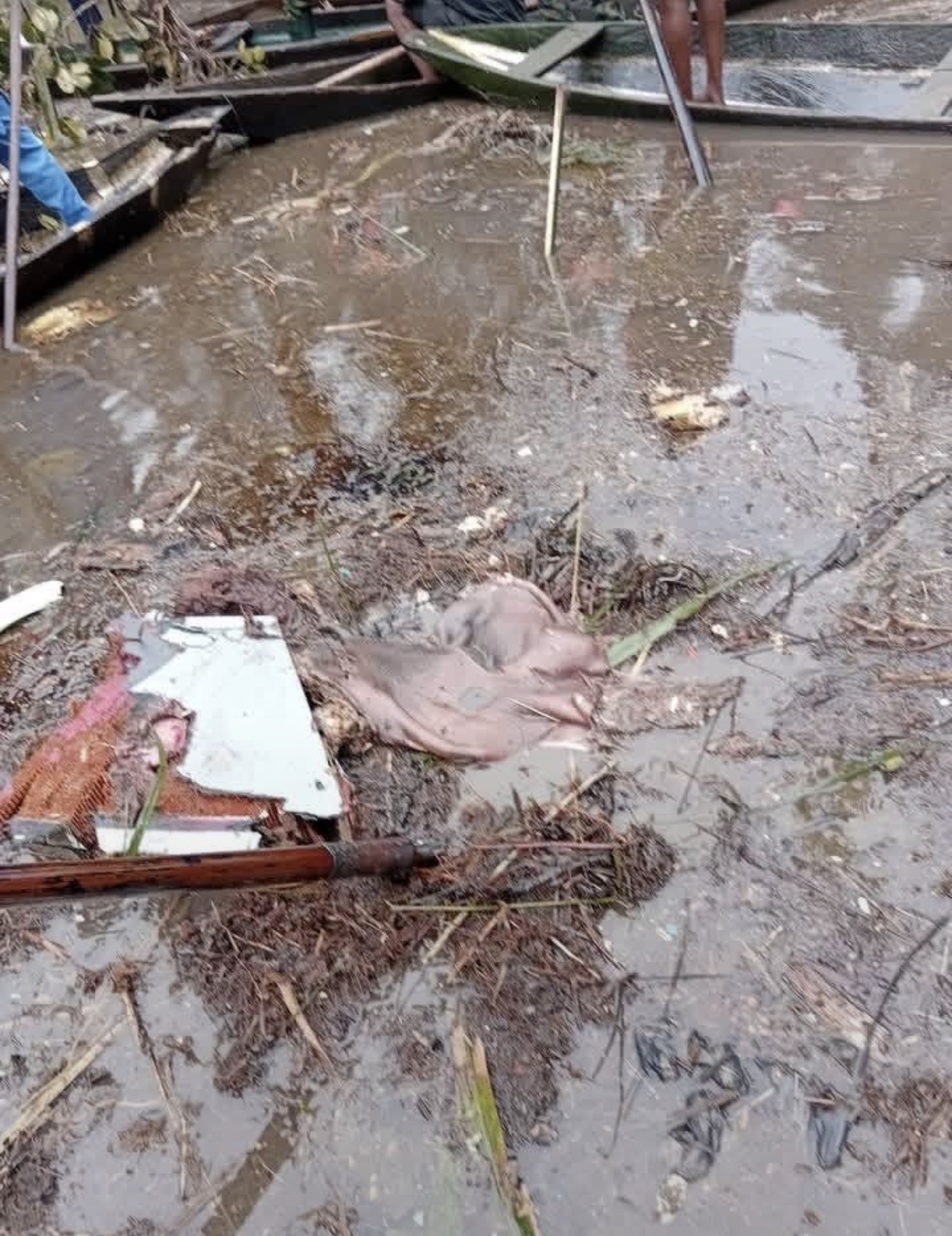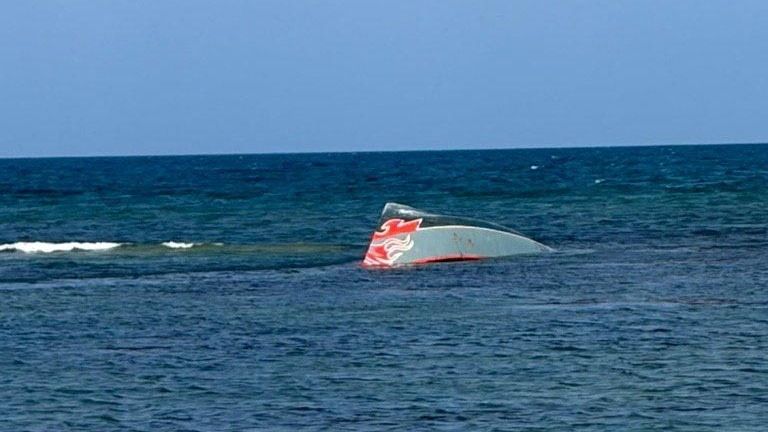
At least 139 migrants have died and at least 84 are missing after a boat carrying 305 people capsized off the coast of Djibouti, the UN's International Organization for Migration (IOM) says.
The boat was heading from Djibouti to Yemen when it went down on the night of 8 to 9 October near Guhere, north of the port town of Obock. The IOM described it as one of the deadliest shipwrecks yet on the route from the Horn of Africa to the Arabian Peninsula, and warned the toll could still rise.
Developing story. Early counts were lower; figures are the IOM's as reported.
What happened
According to the IOM, 305 people were aboard. At least 139 are confirmed dead, including at least 15 children, and at least 84 are missing. More than 80 survivors were taken to an IOM rescue centre in Obock for treatment for swallowed seawater and for psychological support. One report says the survivors are all Ethiopian; the nationalities of the dead have not been given.
The IOM's death count includes only bodies buried by the Djibouti authorities. Others buried by migrants themselves have not been verified and may be added. An earlier IOM count put the dead at 109 and the missing at more than 116, and the totals have shifted as the count was updated.
Alexandre Coissac, the IOM's chief of mission in Djibouti, called it "a devastating loss of life" and said the dead were buried without names in a common grave, which he called "terrible". He attributed the sinking mainly to overcrowding, saying the boat went down close to shore, according to one report. He said teams were on the ground with local authorities to provide emergency help, and Djibouti's authorities are continuing search and rescue, medical care and burials.
The Eastern Route
Tens of thousands of migrants from the Horn of Africa travel through Djibouti each year, heading for Gulf countries in search of safety and work. The IOM's Missing Migrants Project recorded more than 900 migrants dead or missing on the Eastern Route last year, and traffic on the route rose 18%.
Migrants cite drought, hard living conditions, conflict and forced recruitment as reasons for leaving Ethiopia. The crossings continue despite escalating fighting in Yemen between the Saudi-backed government and Iran-backed Houthi rebels, according to the IOM. Fighting also erupted in Tigray on 23 September, one report says, raising fears of a wider war.
IOM Director-General Amy Pope said migrants do not board boats like this unless they see no other safe option, and called on governments and donors to act and to provide safe and legal pathways.
What we do not yet know
- The final death toll, which the IOM says could still rise.
- The nationalities and ages of the dead, beyond at least 15 children.
- Who operated the boat and whether anyone has been arrested.
- What caused the capsizing. Overcrowding is the IOM official's assessment, not a finding of an inquiry.