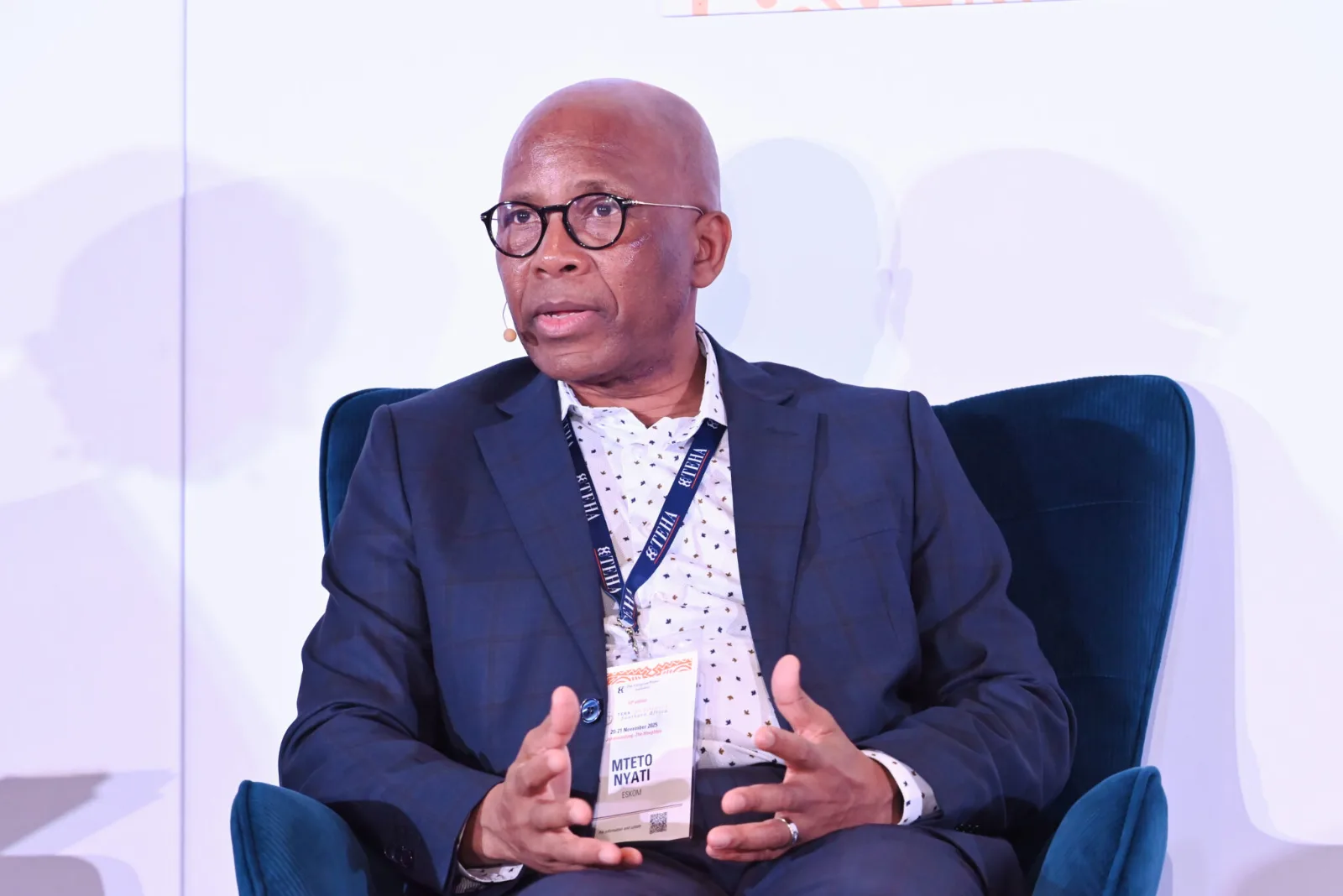
Eskom chairman Mteto Nyati says the power utility's turnaround plan, known as Eskom 2.0, will end double-digit electricity price increases, with future hikes closer to the rate of inflation. "There will no longer be double-digit electricity price hikes," he said, according to a report published on 26 October of a meeting held under Chatham House Rules, at which he allowed himself to be quoted.
Any tariff increase still needs approval from the energy regulator, and no new tariff figures were reported with his remarks. This account rests on a single published report and needs a second confirmation.
From load shedding to Eskom 2.0
Nyati was appointed in 2023 with the priority of ending load shedding. He says more than 500 days have now passed without it, so that goal is met. "Now we need to implement Eskom 2.0," he said.
He cited the following load-shedding volumes: 220 gigawatt-hours (GWh) in 2018, 11,839 GWh in 2022 and a peak of 24,638 GWh in 2023.
Plant performance and costs
According to the figures Nyati presented, unplanned outages fell from 18 gigawatts to 7 gigawatts. Unplanned outages as a share of capacity were 33.08% in 2023, 26.36% in 2024 and 25.06% in 2025. Planned maintenance rose from 9.94% of capacity in 2019 to 13.25% in 2024.
Diesel spending fell from R34 billion to about R2 billion. Nyati credited attracting top private-sector talent, and an incentive performance-bonus scheme, for the recovery.
Demand outlook
Statistics South Africa reported that electricity consumption in 2025 was 4.2% lower than in 2024, the lowest since 2001. Nyati expects demand to grow from AI data centres, the revival of energy-intensive ferroalloy industries and electric-vehicle charging networks. He said competition is welcome and that growth will benefit everyone.
What we do not yet know
- What tariff path Eskom will apply for, and what Nyati means by "nearer inflation"; no percentages were given.
- Whether the energy regulator will approve increases of that size.
- Whether Eskom will confirm his remarks formally. They were made at a meeting under Chatham House Rules.
- The figures above are as presented by Nyati and have not been independently verified.