Developing story: figures change daily and come from the DRC Ministry of Public Health as reported.
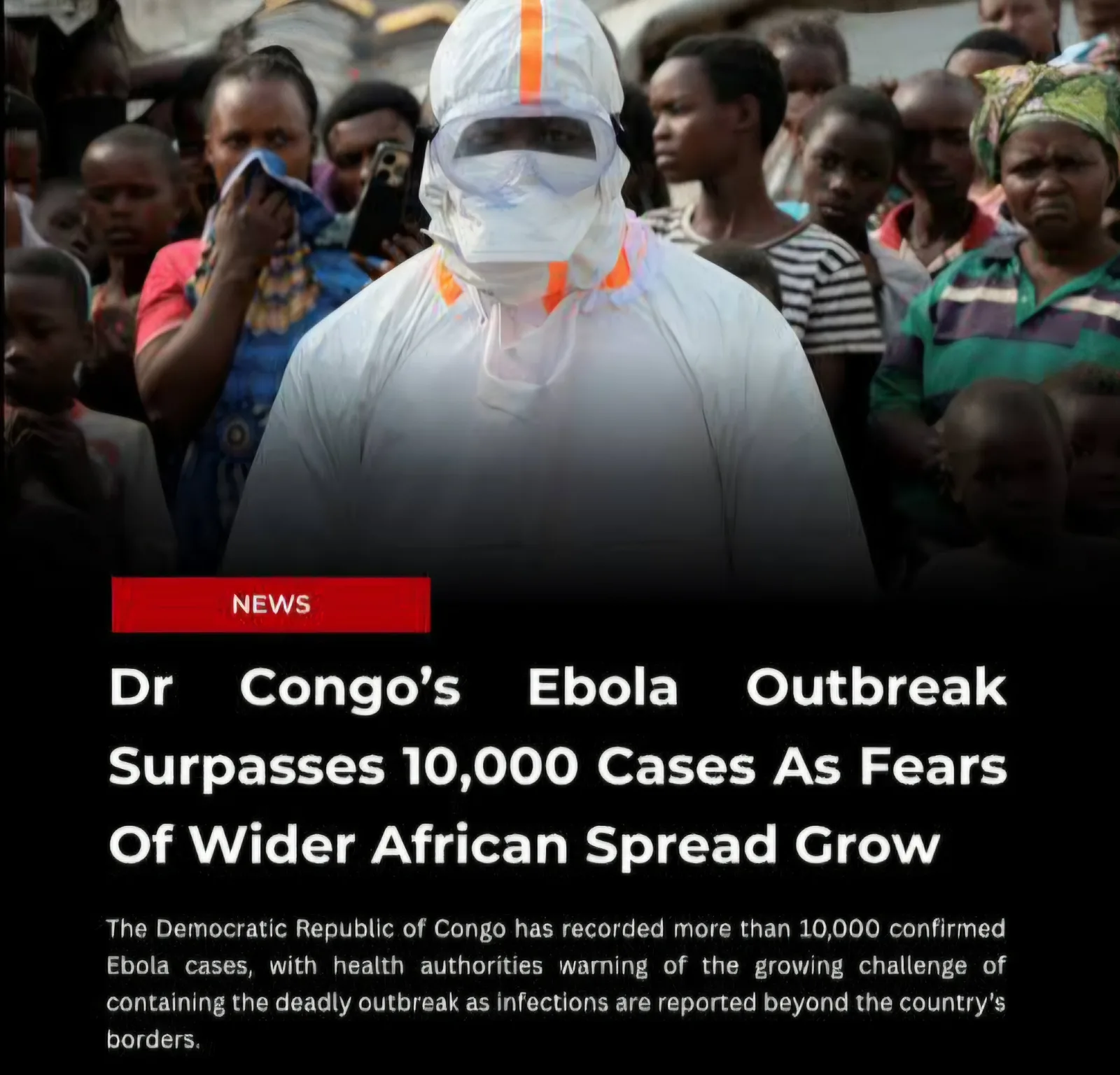
The Ebola outbreak in the Democratic Republic of Congo has passed 10,000 confirmed cases. The country's Ministry of Public Health put the toll at 10,060 cases and 4,887 deaths as of 27 October, meaning nearly half of confirmed cases have died.
The outbreak, caused by the Bundibugyo virus, was declared on 15 May. The Africa Centres for Disease Control and Prevention has called it the fastest-growing Ebola outbreak in history. According to published reports, it is the second-largest on record after the 2014-2016 West African epidemic. No vaccine or treatment for this strain has been approved.
Spread and response
Cases have been recorded in 66 health zones across eight provinces, up from three in the first days, according to published reports. About 80 percent of new cases come from outside known chains of transmission, and at least half of those who died were never admitted for treatment. Africa CDC says at least 95 percent of cases must come from known contacts before an outbreak can be considered under control.
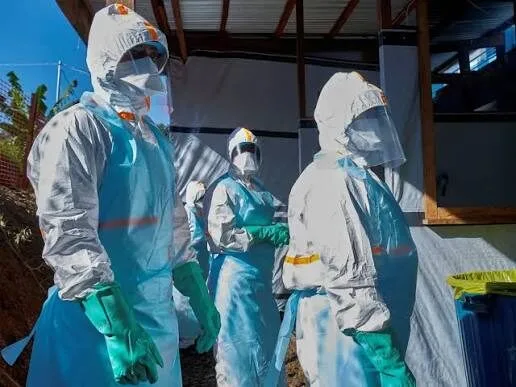
The World Health Organization (WHO) announced on 23 October that the first vaccine clinical trial had begun. Some treatment centres are overwhelmed and remote areas lack supplies and health workers. Routine care, including childhood vaccination, has been disrupted, and maternal deaths have reportedly doubled in some provinces.
Responders have also gone on strike over unpaid wages. In Nia Nia, in Ituri province, workers stopped over bonuses owed since late August.
Attacks on health workers
On 24 October, assailants killed a nurse and seriously injured a colleague who were responding to a suspected case in Bafwasende, Tshopo province, according to the WHO. WHO Director-General Tedros Adhanom Ghebreyesus said on social media: "Everyone working to protect communities from this deadly disease must be able to work in dignity and safety."
Last month a local politician, Marie-Celestin Karondwa, was beaten to death after defending the Ebola response on the radio, according to his party.
Cases in other countries
- Uganda: about 20 cases, mostly imported from the DRC, and two deaths over the summer, with no active infections, according to authorities. Health Minister Chris Baryomunsi said returning citizens must quarantine for 21 days at their own expense.
- Nigeria: a woman married to a Swiss diplomat was infected during a September visit to Uganda and diagnosed while visiting Nigeria, making it the fourth African country affected. She was evacuated to Switzerland on Monday, and Nigeria has stepped up airport screening.
- Kenya: nine confirmed cases, two of them fatal. Twenty contacts of the first patient were released from quarantine on Monday and 98 remain under monitoring, according to the WHO.
What we do not yet know
- How many cases are going undetected, given that most new cases fall outside known transmission chains.
- When an approved vaccine or treatment could be available; the first trial has only just started.
- Whether the strikes and attacks will slow the response further.
- The figures above come from the DRC ministry as reported, and we have not independently verified them.