Developing story: the regulations have been published by the department but have yet to be gazetted.
The Department of Trade, Industry and Competition published proposed regulations on Thursday for South Africa's first track-and-trace system, which would give every unit of tobacco, liquor, pharmaceuticals, food and consumer appliances a machine-readable code, a so-called "barcode passport". The effort is led by Trade, Industry and Competition Minister Parks Tau. The system is due to be in place next year.
How it would work
- Manufacturers and importers must attach a machine-readable code to every unit they produce or sell, linking the item to its origin and ownership.
- Legal players must register each code, with details such as origin, dates and importer, with the National Consumer Commission, creating a digital registry for instant verification.
- The commission would oversee a national repository, with controlled access for police, SARS, the Border Management Authority, the health department, the health products regulator SAHPRA and the NRCS.
- The model is based on the European Union's track-and-trace system, which within two years tracked more than 53 billion products across 810,000 economic operators.
The cost of illicit trade
SARS says illicit trade costs South Africa more than R100bn a year. The regulations describe it as something that "poses serious risks to South African consumers and the national economy" and "one of the biggest threats to national stability and economic growth", citing SARS.
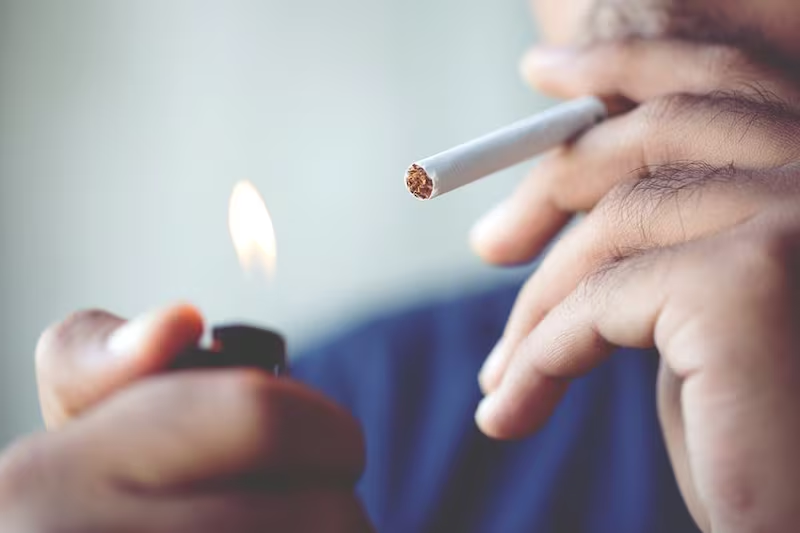
- The illegal cigarette trade cost an estimated R18bn in lost excise revenue in 2022.
- Research by Econometrix for the Consumer Goods Council of South Africa estimates that illicit trade displaces R193bn in formal production and 87,500 direct jobs across 12 sectors.
- The liquor industry says about 20% of alcohol sold is illicit.
Industry reaction
British American Tobacco says its only remaining South African cigarette factory is due to close at year-end and that it may reinvest locally only if illicit trade falls substantially. SAHPRA plans a public education campaign against illicit medicines, with no date given.
What we do not yet know
- When the regulations will be gazetted, and whether there will be a public comment period.
- What compliance will cost manufacturers and importers, and how the system will be funded.