Developing story: figures may be revised as the IEC finalises its count.
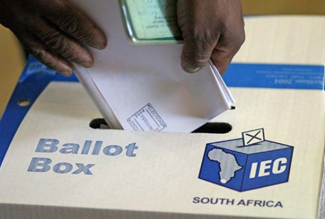
The Electoral Commission of South Africa (IEC) says 1,425,942 people voted on the two special-voting days, 2 and 3 November. That is about 54% of the 2,655,067 special-vote applications the commission approved, which it earlier described as a record. This follows our earlier reports on the approved applications and on the first day of special voting.
How the special votes were cast
The IEC figure splits into 974,852 people who voted at voting stations and 451,090 who were visited at home. By province, the IEC reported Gauteng 264,898, KwaZulu-Natal 208,846, the Eastern Cape 207,258, Limpopo 180,627, Mpumalanga 149,714, the Western Cape 148,493, North West 126,817, the Free State 75,946 and the Northern Cape 63,973.
What happens to those ballots
The IEC says special-vote ballots have been securely stored and will be counted together with Election Day ballots once voting stations close at 9pm on Wednesday. Voting on Election Day runs from 7am to 9pm. The IEC says a record 29.2 million voters are registered, and about 188,000 election officials have been deployed.
IEC chair Sy Mamabolo said the commission is "fully prepared for Election Day, with operational arrangements in place across all nine provinces". He also reminded voters to carry a valid South African identity document and warned that "taking photographs of marked ballot papers remains prohibited".
What we do not yet know
The IEC has not said, in the statements we have seen, why roughly 1.2 million approved special voters did not vote. It is also not yet confirmed when final results will be declared; one international wire report says final results are expected on Sunday, but we have not seen that timeline confirmed by the IEC. We will update this story once the commission publishes its results timetable.