Counting for the 4 November local government elections starts the night voting ends, at the voting station itself. From there, results travel through several checks before the Electoral Commission of South Africa (IEC) declares them. Here is how the process works, and why early claims by parties or commentators are not official.
Step one: the count at your voting station
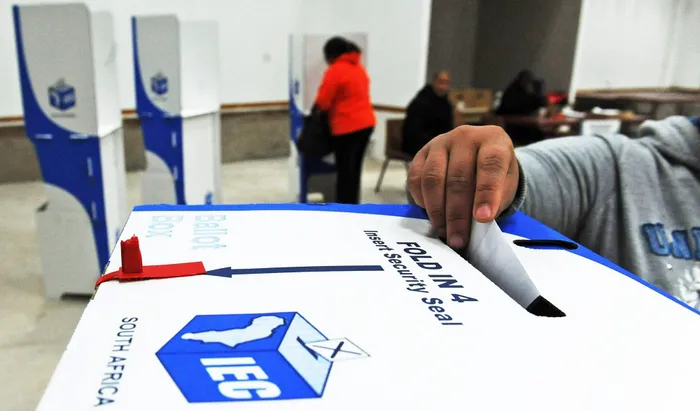
Once the polls close, counting starts that night, usually at the voting station. Ballots are verified and unfolded, sorted, counted in bundles of 100 and reconciled. The results slip is signed and a copy is posted on the voting station's door, so anyone can see the local result.
Step two: capture, audit and the results centre
A copy of the results goes to the central electoral office, where it is scanned and captured. External auditors do a double verification before results are made available to the public, media and parties.
The IEC says the system used to capture and collate results, and to allocate seats, has been independently audited. IEC spokesperson David Mandaha said the Commission "has undertaken and concluded the independent and external audit of the Election Results System". The ACDP, ANC, DA and MK Party each designated audit experts.
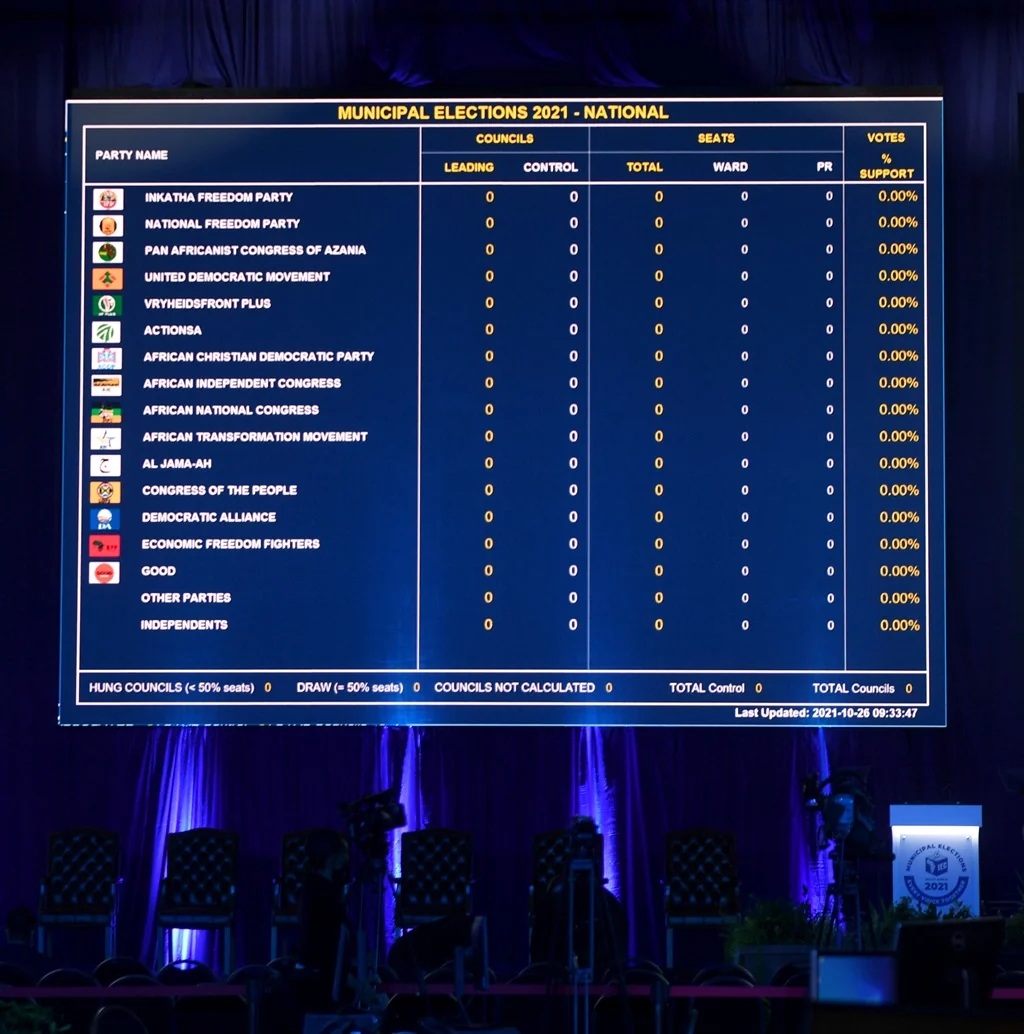
The IEC's National Results Operation Centre at the Gallagher Convention Centre in Midrand is the main hub where results are received, verified and announced to the public. IEC chief executive Sy Mamabolo said: "This ROC is the foundation that upholds our electoral transparency."
Step three: declaration
Once all counts for a municipality or ward are in, the commission determines the result, records it on the prescribed form and declares it publicly, usually live at the results centre. Only the commission can declare official results. Statements by parties or media about who is winning are not official.
Overall results must typically be announced within seven days of voting. Counting seven days on from 4 November would take it to 11 November. If there is good reason for a delay, the commission can ask the Electoral Court to extend the deadline.
What we do not yet know
- When the first results will be declared, and how quickly large metros such as Johannesburg, Tshwane and Cape Town will be finalised.
- Expected turnout, which affects how long counting takes.
- The exact legal deadline for final results, which the IEC should confirm.
We will track the official results as they are declared and report them once confirmed by the IEC.