The South African Human Rights Commission (SAHRC) has called the water and sanitation crisis in Gauteng a widespread human rights violation and told municipalities that cooperating with one another is a legal obligation.
What the commission found
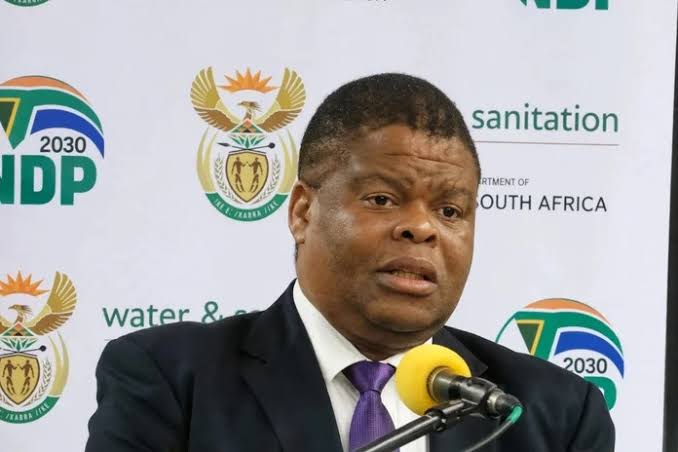
Commissioner Henk Boshoff unveiled the SAHRC’s inquiry report on Monday 2 November. It is based on hearings held from 19 to 21 May with eight water services authorities. Nine municipal or city managers were called and eight had to be subpoenaed, while Rand West City submitted written evidence instead, according to the briefing.
The report points to recurring disruptions caused by ageing infrastructure, excessive losses from unrepaired leaks, insufficient pumping and reservoir storage, and widespread wastewater treatment failures that contaminate rivers. It also cites shortages of engineers and process controllers, irregular expenditure and poor revenue collection.
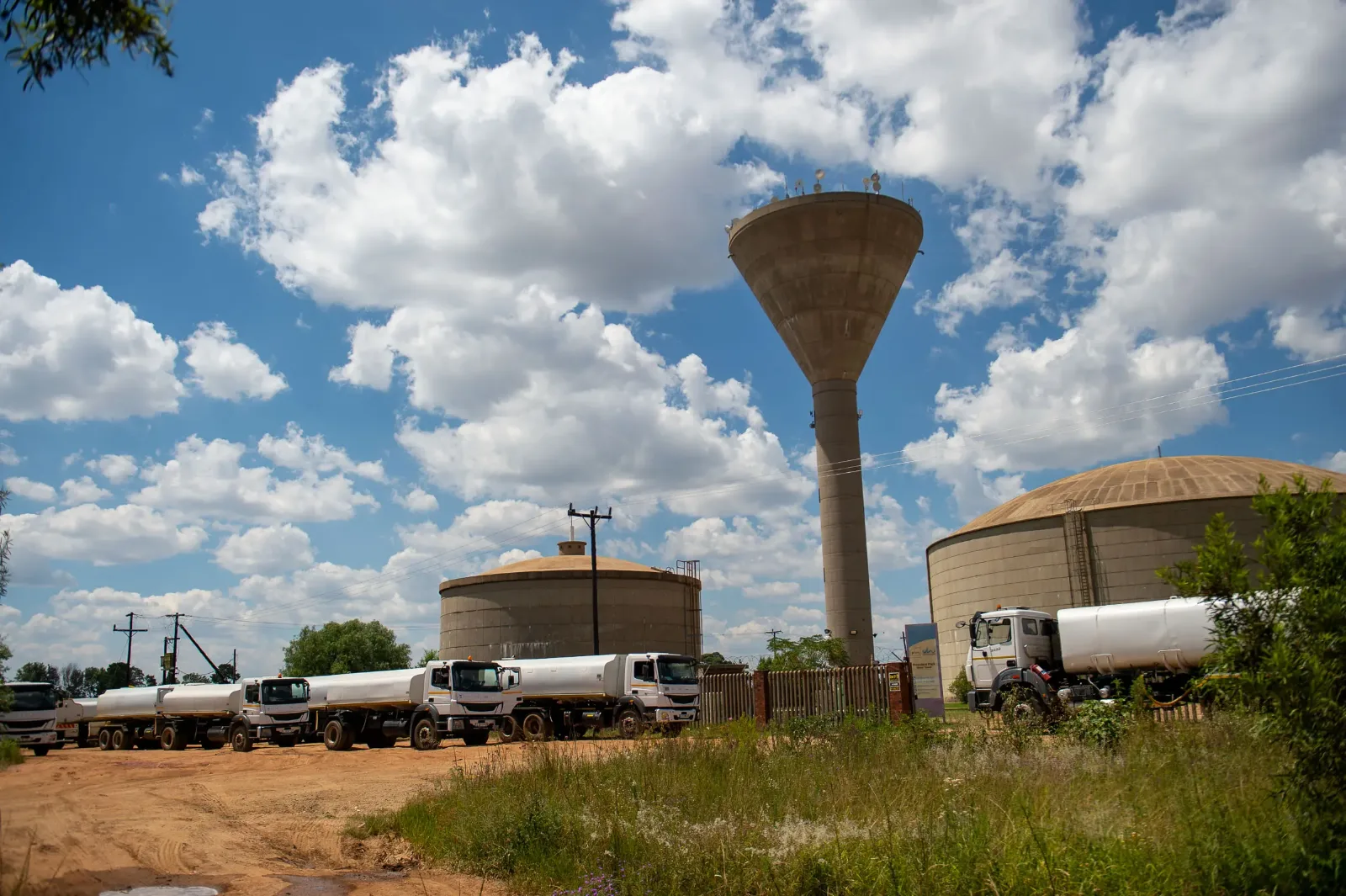
The Department of Water and Sanitation told the commission that supplies are ample, but the report found this does not translate into safe, reliable water at households and communal taps. It reports that some households in Parktown West went up to 12 weeks without tap water.
“Water is the lifeblood of human existence. Where there’s no water, there is no life,” Boshoff said. “Cooperation is not a matter of courtesy or etiquette; it is a legal obligation.”
Can it be enforced?
Boshoff noted that the Supreme Court of Appeal has ruled that the commission’s recommendations are not binding, and that the Constitutional Court dismissed the commission’s application for leave to appeal in April 2026. He said the commission can still seek court orders and has previously sued municipalities in Gauteng, the Free State and North West.
Johannesburg’s response
Johannesburg Executive Mayor Dada Morero said the city welcomed the report and would work towards implementing its recommendations. He said the system had not collapsed and that the city’s priority is restoring reliable supply.
Johannesburg Water said citywide storage rose from 37% on 1 November to 41% on 2 November, with a target of about 50% by the end of that week. It says water losses stand at about 44% and that the remaining bulk pipeline work is expected to finish around February 2027.
What we do not yet know
We have not yet confirmed the content of the commission’s eight recommendations or any deadlines attached to them. The storage figures date from 2 November, and it is not yet clear whether the 50% target was met.