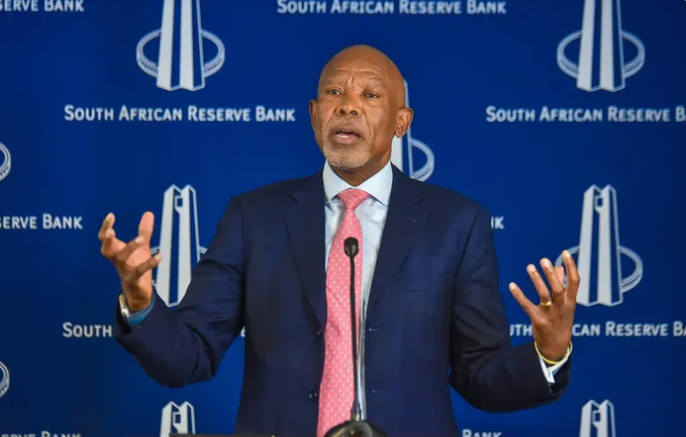
The South African Reserve Bank's Monetary Policy Committee (MPC) has left the repo rate unchanged at 7.25%, but the decision was close: four members voted to hold and three voted for a 25 basis point increase.
The prime lending rate stays at 10.75%. Governor Lesetja Kganyago announced the decision on Thursday 19 November.
What the governor said
Kganyago said the committee chose to pause after raising rates this year. "After two policy adjustments this year, and with a moderately restrictive policy stance, we decided to pause for now," he said.
He also left the door open to further increases. "We are mindful of risks, and will not hesitate to raise rates if needed," Kganyago said.
Why the pressure is on
Consumer price inflation rose to 5.2% in October from 4.5% in September, Statistics South Africa reported on Wednesday, driven mainly by fuel. The Bank's target is 3%.
The MPC statement says: "High inflation prints, over 5%, are expected to persist into early next year." The Bank expects inflation to ease after that, because the comparison base will no longer include pre-war fuel prices.
Core inflation, which strips out volatile items such as food and fuel, is trending upward, and the committee wants that reversed. Food inflation is expected to rise from current lows, and the prices of other goods are expected to pick up next year. The weaker rand also matters: "The Rand is also less appreciated, which affects import prices," the governor said.
Growth and risks
The Bank said the economy contracted in the second quarter of 2026 and that a gradual recovery is under way. It expects growth to rise to about 2% a year over its forecast period, from just over 1% now. It said fixed investment, at about 13% of output, is well below historical peaks and is one of the lowest rates globally.
The MPC assesses the risks to inflation as skewed to the upside. It pointed to elevated oil prices, refinery margins and shipping rates, accelerating global food inflation and the risk that dry conditions linked to El Nino could hurt harvests and push up food prices. It noted that Western Cape water restrictions have been announced, and that major central banks have a tightening bias.
What it means for households
Because the prime rate is unchanged, instalments on prime-linked loans, such as variable-rate home loans and vehicle finance, will not change as a result of this decision.
What we do not yet know
- The reasons the three dissenting members gave for wanting a hike. The statement we reviewed does not set them out.
- The date of the next MPC meeting and how the committee will vote if October's fuel-driven inflation proves persistent.
- The full numerical inflation and interest-rate projections. We have only the Bank's qualitative description so far, and this report will be updated once the full statement has been reviewed.