Opinion
Voters in Johannesburg gave one party more support than any other. According to the figures reported so far, the Democratic Alliance (DA) took about 34.8% of the vote. The ANC took about 20%. Yet the party that came first may end up in opposition, and the party that came second, third or fourth may share the mayoral chain between them.
This is legal. It is how proportional representation works. The harder question is whether it is fair, and I think the honest answer is that both sides are arguing from a principle they ignored when it suited them.
The arithmetic is legitimate
Johannesburg's council has 270 seats, and 136 are needed to govern. The reported seat counts are DA 91, ANC 63, ActionSA 42, EFF 17 and MK 15. Added together, the ANC, ActionSA, EFF and MK hold 137, one seat above the majority line. Another account puts the pact at 138. Either way, the margin is a seat or two.
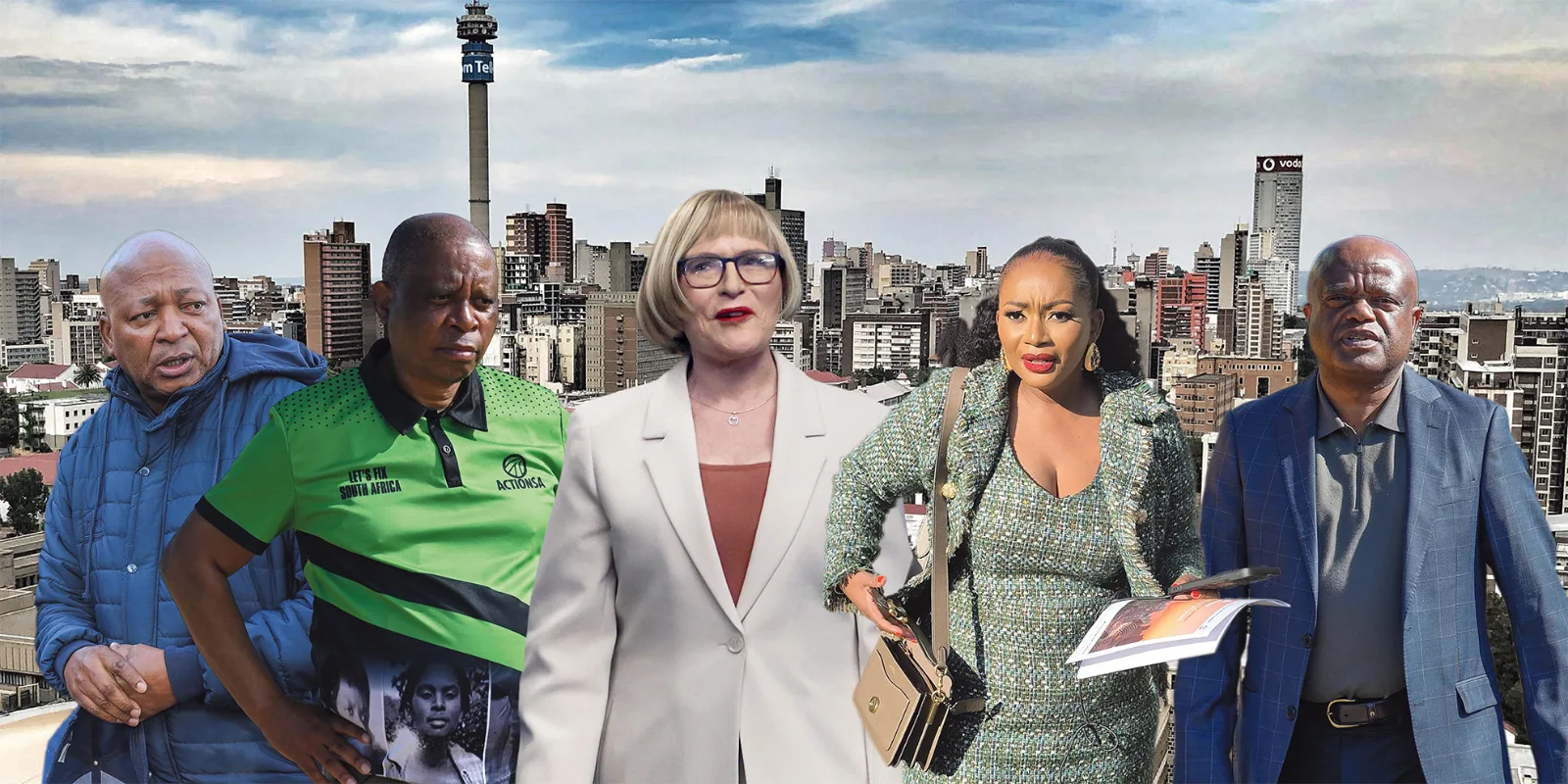
No rule says the biggest party must govern. ActionSA leader Herman Mashaba put it bluntly, saying the DA “wasted a week and a half, and the train has moved.” If a majority of councillors will vote for a mayor, that mayor is elected.
But the voters never saw this ballot
Nobody voted for a four-party government. ActionSA, the ANC, the EFF and MK campaigned against each other, in some cases harshly. The DA's national leader, Geordin Hill-Lewis, has called the effort to shut his party out of the metros “a profound error.” He is entitled to say so. But look at the record he stands on.
In KwaZulu-Natal in 2024, the MK Party won 45.3% of the vote, the largest share in the province. It was kept out of government by a coalition that included the DA. The principle that the biggest party has a claim to govern was not treated as sacred then. It cannot be treated as sacred now only because the DA is the party left out.
The real test is what is written down
Whoever wins the vote will inherit a city that, according to the Centre for Development and Enterprise, needs its finances restored, its institutions rebuilt, crime and corruption tackled and growth accelerated. A one-seat majority held together by four parties with different agendas will be tested on every budget vote.
That is why the paperwork matters more than the mayor's name. Asked whether the coalition agreements would be published, ActionSA spokesperson Matthew George answered: “Yes.” Residents should hold every party in the pact to that. Publish the agreements before the vote. Name who holds which portfolio, what happens if a partner walks out, and how performance will be measured on water, electricity, roads and crime.
Why this reaches beyond Gauteng
The metro talks are also a proxy for the national coalition. Senior ANC figures, including Gauteng Premier Panyaza Lesufi, have called on the President to remove DA ministers from the Cabinet, according to reports. Whatever happens in Johannesburg may therefore shape the Government of National Unity, not just a city council.
The question for readers
Is a government that can be defended in a council chamber also one that voters will accept? Should the party with the most votes get the first chance to govern, or should the ability to build a majority decide? And should deals like this be signed in public before any mayor is elected?
Tell us what you think. We want to hear from residents of Johannesburg, Tshwane and Ekurhuleni in particular.
Facts still moving
- The Johannesburg mayoral vote is now expected on Friday. The date could change.
- Seat counts differ between reports (137 or 138 for the pact).
- The DA has argued that the first council meeting need not have been held before 27 November. The city reads the deadline differently.
- The final shape of the Gauteng agreement, including who becomes deputy mayor, has not been confirmed.