Nigeria has confirmed its first Ebola case in more than a decade, and Africa's continental health agency has called health ministers to an emergency virtual meeting on 28 October.
The case was confirmed on 20 October, according to published coverage. This is a developing story, and the figures below come from a single roundup that we have not been able to confirm elsewhere.
The Nigerian case
The patient is a Ugandan woman who arrived in Abuja on 5 October, according to the report. Officials are tracing 44 contacts, mostly health workers, including her husband, who is a Swiss national.
Nigerian Health Minister Muhammad Ali Pate said the patient is isolated and that Nigeria has the systems to respond. Physician Ayoade Alakija called it a "pan-African event" and said a 12-day delay before testing was worrying.
Uganda says it has declared itself Ebola-free after 20 cases and that the woman's travel through the country does not prove she was infected there.
The wider outbreak
The outbreak began in the Democratic Republic of Congo in May. It has infected more than 9,500 people and killed 4,646, according to the report. Kenya has recorded nine cases linked to one patient, and France has recorded a case.
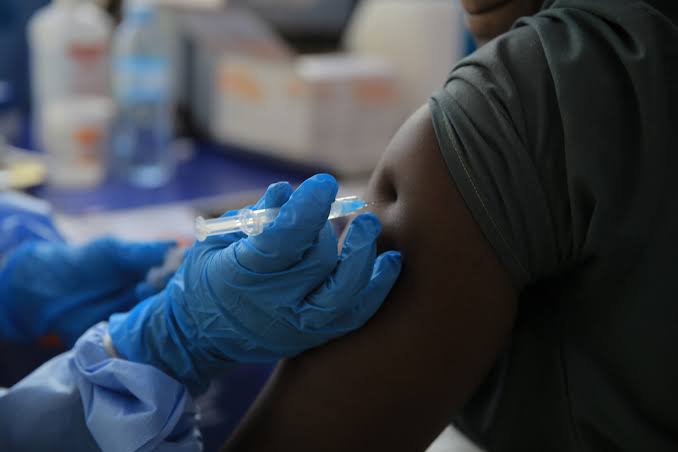
The strain involved is Bundibugyo, for which there is no approved vaccine or treatment, health authorities say. They describe the disease as out of control in parts of DR Congo, including North Kivu, and fear misinformation and funding shortfalls.
What officials are doing
Africa CDC director general Jean Kaseya invited African health ministers to an extraordinary virtual meeting on 28 October. He said Ebola now affects three African regions and called for "political leadership at the highest level".
The World Health Organization has advised countries in the region to maintain high readiness. South African health authorities had not been reported as commenting at the time of writing; seek comment from the national health department and the NICD before publication.
What we do not yet know
- Case and death totals come from one source and have not been checked against the WHO or Africa CDC.
- Where the woman was infected is unclear, and Uganda disputes any link.
- Whether any of the 44 contacts has tested positive is not reported.
- Any South African preparedness measures.