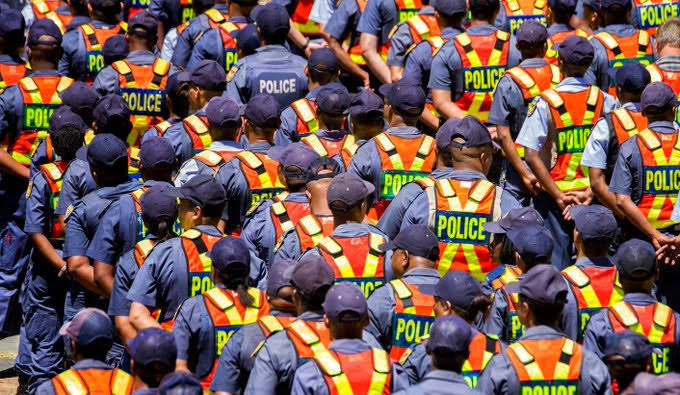
Police opened 122 criminal cases and made 59 arrests across the two days of special voting and Election Day, the National Joint Operational and Intelligence Structure (Natjoints) said on Thursday.
Natjoints chairperson Lieutenant General Tebello Mosikili said police averaged about 40 criminal cases and almost 20 arrests a day over the voting period. The figures cover cases opened, not convictions. Anyone arrested is presumed innocent until proven guilty in court.
Election Day figures
Election Day was the busiest for police, with 85 incidents recorded and 57 cases opened. Offences ranged from assault, theft and intimidation to fraud, burglary and drunk and disorderly conduct. Contraventions of the Electoral Act were the most common, at 32 cases. Twenty-seven suspects were arrested.
In KwaZulu-Natal, 15 cases were opened and six people were arrested on Election Day. In Limpopo, 11 cases were opened and four people were arrested.
Special voting days
Over the two days of special voting, police opened 65 criminal dockets and arrested 32 suspects. KwaZulu-Natal recorded 16 cases and eight arrests, and Limpopo 13 cases and 11 arrests.
Political killings and high-risk stations
Mosikili said police recorded 21 murder cases in recent months that are considered politically motivated. Police had earlier identified more than 300 voting stations as high risk through intelligence assessments. He welcomed that anticipated marches and protests did not materialise in large numbers.
"Where operational, logistical and service delivery-related challenges emerged at certain voting stations, law enforcement agencies intervened to stabilise the environment and facilitate the continuation of the voting process," Mosikili said.
What happens next
Mosikili said the security operation continues while results are finalised. "The counting, reconciliation, verification and capturing of results remain ongoing nationally," he said. Police would focus on "protecting voting materials, securing results operations and safeguarding the integrity of the results-management process", he said, and he asked the public to respect the finalisation of the results.