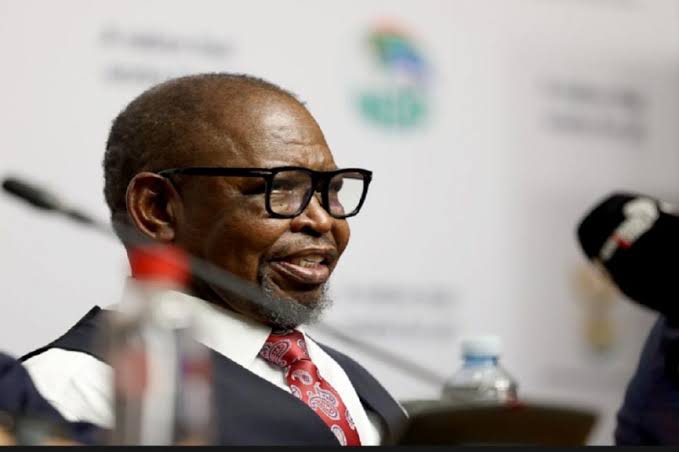
South Africa's debt has stopped rising as a share of the economy, but growth is weaker than Treasury hoped, Finance Minister Enoch Godongwana said in his medium-term budget speech on Wednesday 21 October.
Godongwana cut the 2026 growth forecast to 1.2% from 1.6%, calling the outlook "too low". Debt-to-GDP stabilised at 78.4% in 2025/26, the first stabilisation in nearly two decades, he said.
What the minister announced
According to the speech, gross tax revenue for 2026/27 was revised up by R17.1 billion from the February estimate, driven largely by higher precious metals prices.
The deficit is expected to narrow to 4.3% of GDP this year, from the 4.5% forecast in February, and to 2.5% by 2030, Godongwana said.
Debt is projected to fall to 76.6% of GDP by 2030 and 66.6% by 2035, according to the same forecasts. Growth is projected at 1.6% in 2027 and 2% by 2029.
The minister also announced a fiscal anchor to be written into legislation. Rather than a numerical debt cap, each administration would set its own objectives and report deviations to Parliament, the speech said.
Fuel levy relief and the reserve
The fuel levy will be cut by R3 a litre on diesel and R1.50 a litre on petrol from 4 November to 1 December 2026 to ease pressure from high fuel prices, Godongwana said.
The contingency reserve rises to R10 billion in 2026/27 to cover drought and El Nino response and possible energy price spikes, according to the speech.
Treasury Director-General Duncan Pieterse said the relief is appropriate given current prices if it can be funded without breaking fiscal targets. He added that if extra revenue does not materialise, the relief would be very difficult to sustain. He said Fitch and Moody's are expected to update their South African ratings reviews before the end of 2026.