Kenya's last Ebola patient was discharged from hospital on 11 November, and the country has started a 42-day countdown to being declared free of the disease, according to the World Health Organization (WHO) regional office for Africa. If no new case is recorded, Kenya will be declared Ebola-free on 23 December 2026.
What happened in Kenya
The WHO said the first case was confirmed on 6 October in a Kenyan who had travelled home from the Democratic Republic of Congo (DRC) through Uganda. The outbreak is caused by Bundibugyo virus.
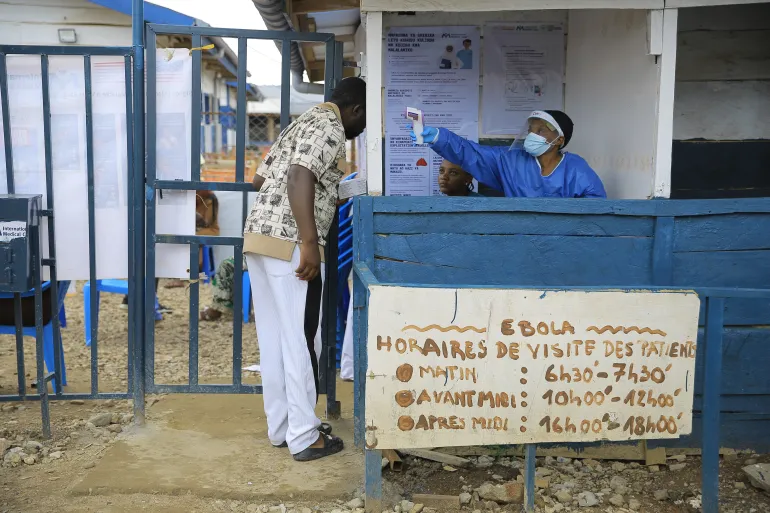
Tracers identified 135 close contacts. Eight tested positive: four family members of the first patient and four health workers who had cared for him before Ebola was suspected. Seven patients recovered and two people died. The last new case was confirmed on 19 October.
The last 11 contacts finished monitoring and returned home on 11 November. Kenya now has no patients in treatment and no one in quarantine.
What the countdown means
Day one of the countdown was Thursday 12 November. The 42-day period is twice the longest incubation period of the virus. Kenya's Cabinet Secretary for Health, Dr Aden Duale, said: "Forty-two days is twice the longest incubation period of the virus." He added: "The countdown is not the end of our response."
Dr Abdourahmane Diallo, the WHO regional office's director for programme management, said: "While today's event is a moment for cautious celebration, it is not the end of our work."
Travel restrictions
The WHO advises against travel or trade restrictions on Ebola-affected countries. Kenya has no restrictions on movement or public gatherings, and has urged countries that imposed Ebola-related travel or visa restrictions to reconsider them.
The wider outbreak
Ebola remains active in the DRC. The country's National Institute of Public Health counted 11,042 infections and 5,387 deaths through 9 November. The Bundibugyo strain has no approved vaccine or treatment.
Kenyan authorities say surveillance continues at borders, airports and health facilities. People with fever, weakness or unexplained bleeding, especially after travel to an affected area, are advised to seek care early.