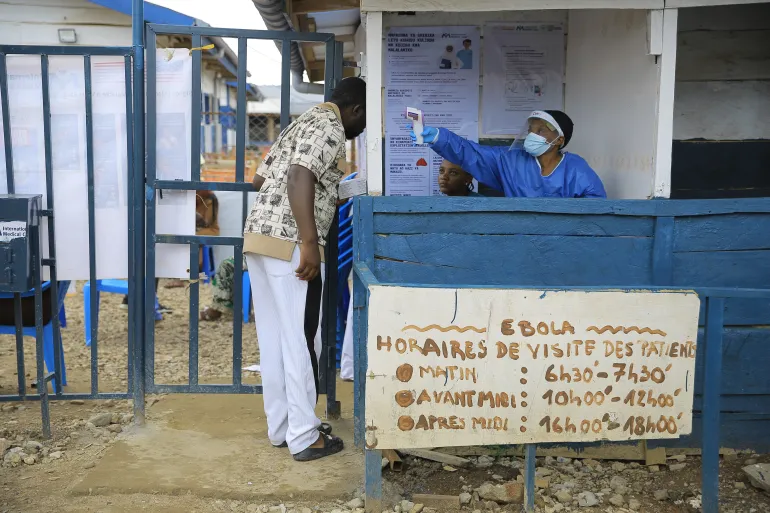
DR Congo has recorded 11,042 confirmed Ebola cases and at least 5,387 deaths, according to government data released on Tuesday, making the Bundibugyo-strain outbreak the second-largest and second-deadliest Ebola epidemic on record.
The figures are higher than those in the World Health Organization's (WHO) latest outbreak report, which counted 10,668 confirmed cases and 5,198 deaths using data up to 3 November. The two sets of numbers come from different sources and dates and are not directly comparable.
How the outbreak compares
The 2014 to 2016 West African outbreak remains the largest, with more than 28,600 people infected and more than 11,000 killed. The Bundibugyo strain kills about half of those it infects, and no vaccine or treatment has been developed specifically for it.
Eight of DR Congo's 26 provinces are affected. According to the WHO, the outbreak has spread across 67 health zones, with active transmission in 51, and Ituri is the worst-hit province with 7,485 cases and 3,532 deaths.
Gaps in the response
The WHO said 335 of the 512 deaths reported since 21 October occurred in communities rather than treatment centres, which it said points to gaps in early detection and access to care. Contact follow-up stood at 86%, below the 95% target.
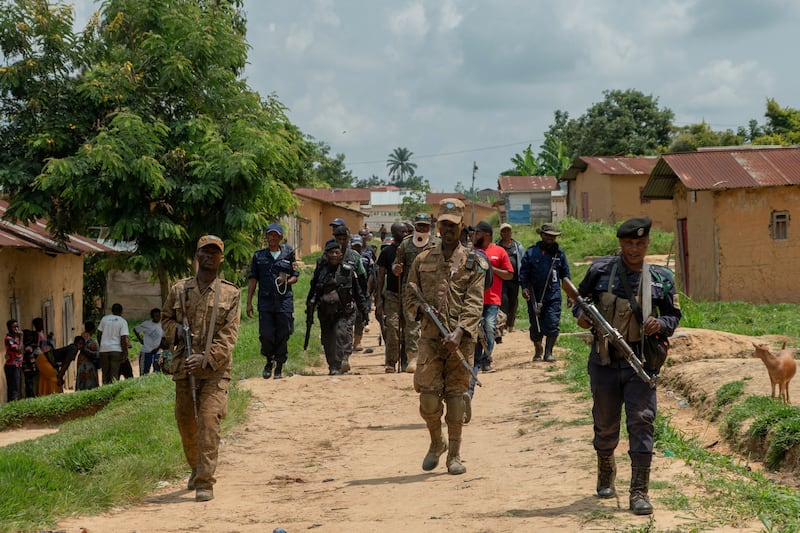
Delayed detection, conflict and strained health services have helped the virus spread faster than in previous outbreaks, according to the government data and health authorities cited in coverage of the figures.
Spread beyond DR Congo
Five countries have reported cases: DR Congo, France, Kenya, Nigeria and Uganda. According to the WHO, France and Uganda have controlled their outbreaks since August. Kenya has reported nine cases and two deaths, with no new cases since 19 October, and Nigeria has reported one imported case. The WHO advises against restricting travel to or trade with affected countries.
Vaccine trials
A Phase 2/3 vaccine trial, known as Tumaini, began on 23 October, and two more candidate vaccines are being added. The WHO expects results in early 2027.
What we do not yet know
We have not seen the government's full data release, only a report of its headline figures, and the WHO has said its risk assessment for the outbreak is being revised.