Developing story: the talks have only just begun and positions may shift.
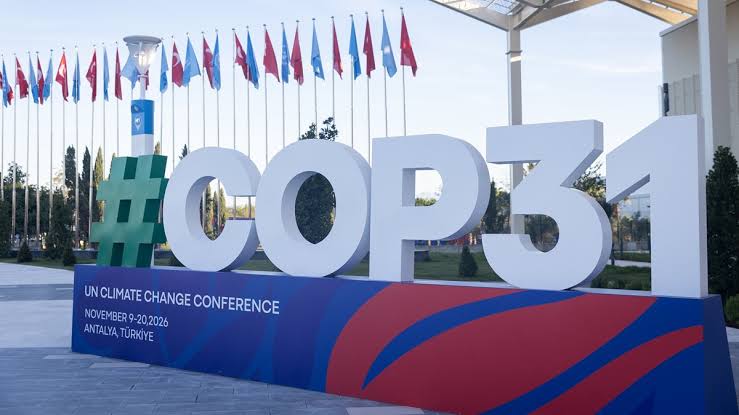
The COP31 climate summit opened on Monday in Antalya, Turkey, with African countries pressing for adaptation finance to be tripled.
What is on the table
Negotiators from nearly 200 countries are meeting from 9 to 20 November, and more than 100,000 people are expected. Turkey is hosting, while Australia leads the negotiations under an arrangement that settled a dispute over who would host. The summit has been branded the "implementation COP".
Turkey's centrepiece is an electrification drive to lift electricity's share of global energy demand from about 20% to 35% by 2035. The European Union wants that electricity to be "clean", which could cause friction.
The wider backdrop
The United States has withdrawn from the Paris Agreement and has not sent officials, although a US congressional delegation will attend. The previous summit ended without explicit fossil-fuel language, and Brazil produced a voluntary roadmap.
The United Nations warned in September that global temperatures were on course to exceed 1.5 degrees Celsius. An exceptionally strong El Niño is forecast to peak later this year, which could make 2026 or 2027 the hottest year on record. Talks are also complicated by an oil price shock and the wars in Ukraine and involving Iran.
Rachel Cleetus, climate programme director at the Union of Concerned Scientists, said: "Global leaders must pull us back from the brink."
What we do not yet know
The size of the adaptation finance increase African negotiators will accept has not been set out in detail, and South Africa's negotiating position at this summit is not covered in the reports we have seen.