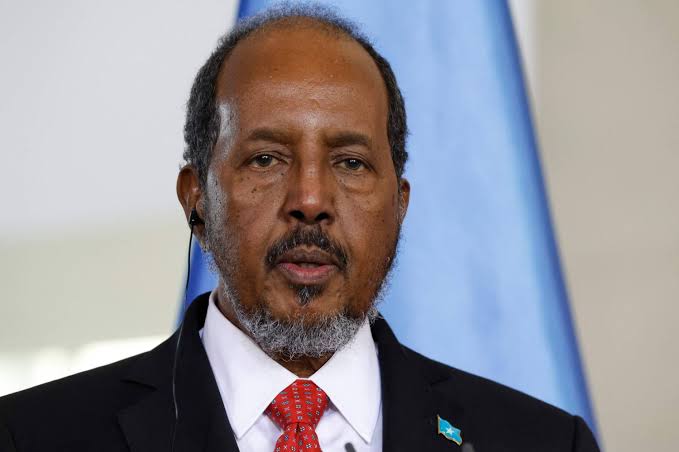
Somalia is in a deepening political crisis after its Supreme Court ruled on Thursday 5 November that the one-year extension of President Hassan Sheikh Mohamud's term was not valid, and the presidency then moved against the chief justice.
The ruling
The five-member Constitutional Division of the Supreme Court found that the constitutional amendments approved by parliament in March did not extend the current term of the president. It said the original four-year mandates still apply and that the federal government's role is limited to routine caretaker duties.
The court ordered political stakeholders to agree an electoral framework within 30 days and said elections must be held within 90 days. It rejected part of the petition, from former president Sharif Sheikh Ahmed, because he lacked standing to challenge the amendment process.
The president's four-year mandate expired on 15 May 2026, and the mandates of both houses of parliament on 14 April 2026.
The chief justice dismissal
The presidency announced on Wednesday 4 November that it was dismissing Chief Justice Bashe Yusuf Ahmed, citing "concerns" about the need for an efficient and fair judiciary, and named former chief justice Ibrahim Idle Suleiman as his replacement.
The Supreme Court said the dismissal "does not cite any legal provision" and was contrary to the rule of law, the separation of powers and judicial independence. It said the process required the Judicial Service Commission and parliament.
Reaction
President Mohamud maintains that the March amendments gave a legal basis for an additional year, with elections scheduled for April and May 2027. Most opposition and regional parties boycotted the March vote.
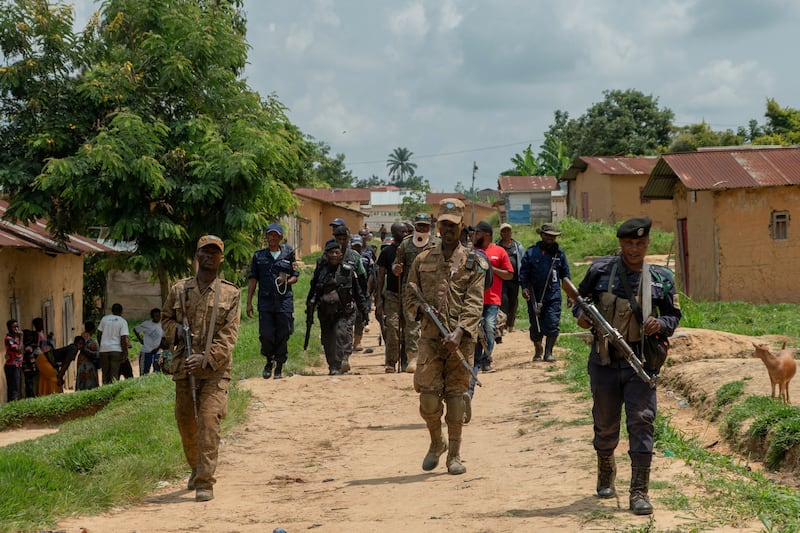
Former prime minister Hassan Ali Khaire said the president had launched "an assault on the Supreme Court" and deployed troops to its premises. A news agency said it could not verify this, although Somali media images appeared to show military forces at the court compound.
What we do not yet know
We have not seen a government response to the ruling itself, or any statement from the UN, African Union or other governments. It is not clear when the 30 and 90-day periods begin, or how the president will respond to the order.