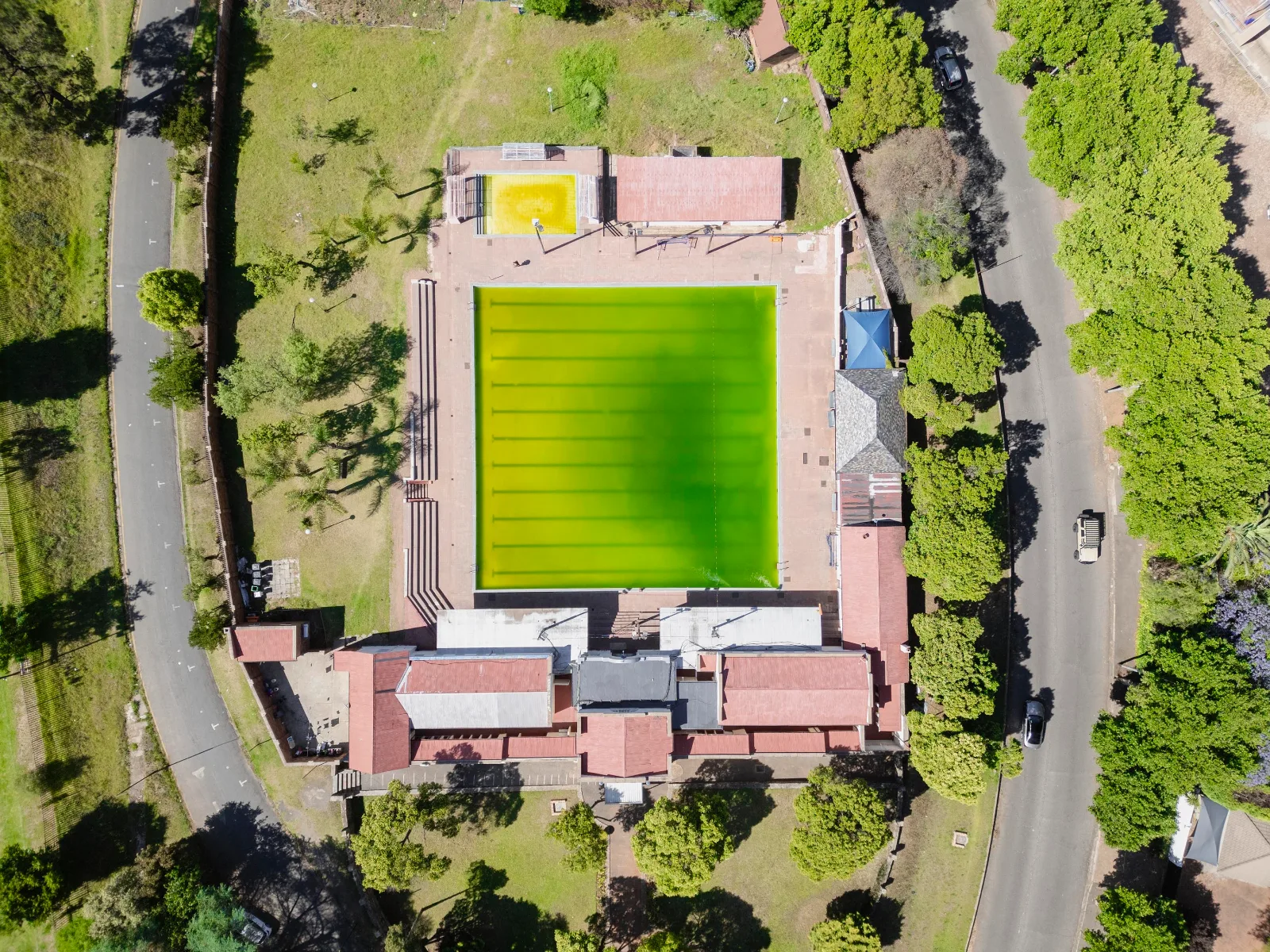
For many families in Johannesburg, a public swimming pool is the only affordable way to cool off on a hot summer's day. Since Monday, 16 November, every one of them has been shut.
The City of Johannesburg closed all its municipal pools "until further notice" because of what it called a "critical shortage of chlorine supplies". The closures came as temperatures were forecast to reach 30°C and the South African Weather Service predicted a hotter-than-average summer. More than a week later, the city has not given a date for reopening.
What the city says
Mbulelo Bezu, acting director in the city's community development department, said the city understood what the closures meant for residents. "We know how vital our public pools are to families and young people trying to beat the heat right now," he said. "However, the health and safety of our residents must always come first."
The department said running pools without proper chemical treatment would pose a "severe health risk to swimmers". It has activated emergency procurement to buy chlorine and other pool chemicals, and said technical teams would treat and test the water once stock arrived. Bezu said the city would "provide daily progress updates until doors open".
City spokesperson Virgil James said Johannesburg has no regular chlorine supplier and that the tender for pool chemicals was taking longer than expected. He said the city buys its chlorine through Johannesburg City Parks and Zoo, a municipal entity, and had spent R750,000 so far.
A season that never really started
The pools were due to open on 1 September. The city missed that date and a revised 1 October deadline, blaming the chemical shortage and a lack of lifeguards and cashiers. Only some of its 57 pools had reopened by mid-October, and they were open for only a few weeks before the latest shutdown.
Residents have pushed back. The Joburg Crisis Alliance protested last week, demanding that the pools reopen immediately.
Civic watchdog JoburgCAN has raised concerns about how the chlorine is being bought. Its head, Julia Fish, warned that under emergency procurement, normal checks and balances "fall away".
Not only a Joburg problem
Johannesburg's neighbour has had its own chlorine troubles. In Tshwane, the national Department of Water and Sanitation found that the Bronkhorstspruit Water Treatment Works ran without chlorine disinfection for 21 days before it was shut down on 14 October. The department said this was the likely cause of more than 800 cases of stomach illness recorded at health facilities in Bronkhorstspruit, Zithobeni, Dark City and surrounding areas in October.
Tshwane Mayor Nasiphi Moya has said plant managers did not alert city leaders in time and that disciplinary steps are under way. She has also described a chlorine "monopoly" that pushed prices up sharply.
Why it matters
Public pools are not a luxury in a city where many homes have no garden, no air conditioning and, in some areas, unreliable water at the tap. They are where children learn to swim, where lifeguards keep them safe, and where families spend summer holidays they cannot afford to spend elsewhere. With schools closing for the year in December, the pressure on the city to reopen them will grow.
What we do not yet know
- When the emergency chlorine order will arrive and when the first pools will reopen.
- Exactly how the R750,000 has been spent and at what price per unit; figures shared so far do not match.
- Whether the city will reopen pools in phases or all at once.