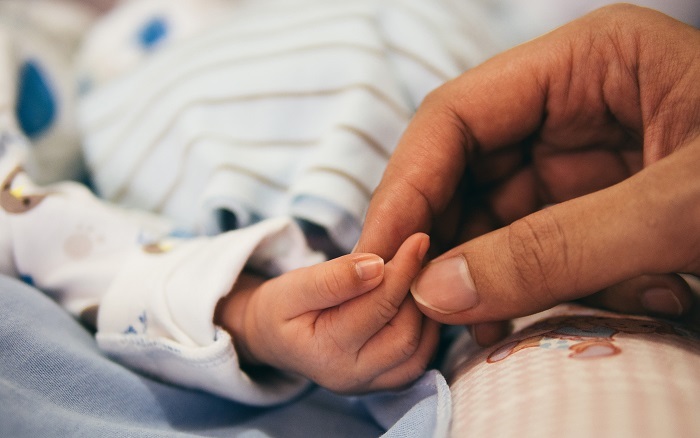
For a mother with a newborn and no income, R580 a month can mean nappies, formula or a taxi fare to the clinic. Yet fewer South African babies are getting that money than at any time in nearly two decades.
The number of infants under one receiving the Child Support Grant fell by 44% between March 2020 and March 2026, from about 658,000 to 366,108, according to the South African Child Gauge 2026, published by the Children's Institute at the University of Cape Town. That takes infant uptake back to 2008 levels, even though the total number of children on the grant rose slightly over the same period, from about 12.8 million to 13 million.
Babies are falling through the cracks
Fewer births alone do not explain the drop. The report notes that registered births fell by about 12% between 2020 and 2024, while infant grants fell by 44%. More than 10% of babies are still not registered a year after they are born.
The researchers say missing documents are "the most common" reason children are excluded from the grant. They also point to stricter verification checks introduced in 2025 and capacity limits at the South African Social Security Agency (SASSA), as it retrains staff and shifts priorities to meet National Treasury conditions. Almost 115,000 grants lapsed in 2025/26 because beneficiaries did not complete SASSA reviews, the report says.
The grant works best when it starts early. Its protective effect "largely depends on early and continuous receipt, preferably from birth," the researchers write, warning that the fall in infant uptake has "serious implications for child outcomes" and is likely to continue.
R580 does not stretch far
Even for families who receive it, the grant sits below the food poverty line of R868 per person a month. The Pietermaritzburg Economic Justice and Dignity Group estimated that a basic nutritious diet for a growing child cost R978 a month in June 2026.
The report says nearly 8 million children live in households that cannot afford enough food. Stunting among children under five stood at 28.8% in 2023, higher than the 22.9% recorded in 1994. Child food poverty fell from 53% in 2003 to 33% in 2013, but has since climbed back to about 40%, according to the report.
The researchers recommend raising the grant to at least R868 and introducing a maternal support grant for pregnant women who are unemployed or on low incomes. They stress that the grant alone cannot reverse "long-term child deprivation" without action on unemployment, food insecurity and basic services.
In his October Medium-Term Budget Policy Statement, Finance Minister Enoch Godongwana allocated R1.6 billion for care before birth and in the first 1,000 days of life, saying the funding would address stunting and malnutrition, which prevent "children from reaching their full growth and learning potential."
What parents and caregivers can do
- Register your baby's birth at Home Affairs as soon as possible. Many hospitals with maternity wards have a Home Affairs office on site.
- Apply for the grant at a SASSA office once you have the birth certificate. The longer you wait, the more months of support your child misses.
- Single caregivers earning up to R5,800 a month, and couples earning up to R11,600 a month combined, qualify, according to the report.
- If SASSA asks you to complete a review, do it before the deadline so the grant does not lapse. The SASSA call centre is 0800 60 10 11.
What we do not yet know
SASSA and Home Affairs had not publicly responded to the report's infant findings at the time of writing. It is also not yet clear how the R1.6 billion for the first 1,000 days will be spent, or whether it will reach mothers before their babies are born.