The South African Reserve Bank expects headline inflation to rise above 5% later this year and in early 2027, driven by higher fuel prices, before easing as the shock fades.
That is a sharp climb from August, when annual consumer inflation was 4.4%, and it explains why the Bank raised the repo rate by 25 basis points to 7.25% on 23 September.
What the Reserve Bank expects
In its September statement, the Monetary Policy Committee raised its inflation forecasts. Previous forecasts are in brackets:
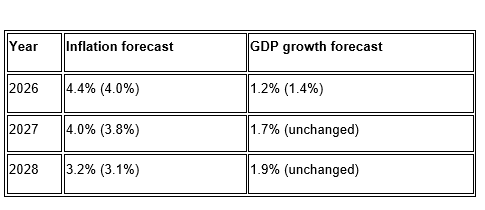
The Bank flagged upside risks to inflation and downside risks to growth. Policymakers expect inflation to ease as the fuel-price shock fades, returning to about 3% toward the end of 2027. The decision to raise rates was unanimous, according to one report.
The Bank's target is 3%.
What is driving prices
August consumer inflation was 4.4%, up from 4.3% in July and below the 4.5% average forecast in a poll of economists. Core inflation eased to 4.1%. Statistics South Africa said housing and utilities, transport, and insurance and financial services drove the rise. Stats SA's Patrick Kelly said fuel inflation "continued to ease" in the month, though the pump price has risen sharply since.
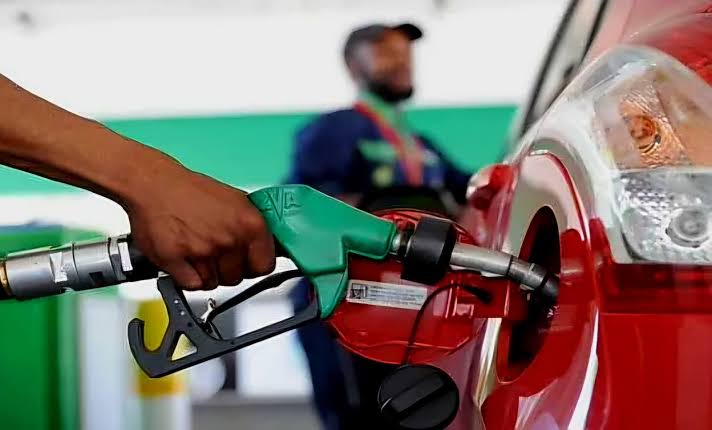
From 7 October, the 95 petrol price rose R3.33 a litre to above R30.25, a record, and diesel rose by as much as R3.24 to above R35. The government cited Brent crude averaging more than US$101 a barrel in September, US-Iran tensions and uncertainty over the Strait of Hormuz.
Early projections from the Central Energy Fund, cited by Investec chief economist Annabel Bishop, point to petrol rising by about R4.29 to R4.58 a litre in November. Those figures move daily and will be set by October's price movements.
What it means and what to watch
For households, a higher repo rate raises prime-linked repayments, and a fuel price at record highs feeds into transport and food costs. Insight's reading is that the Bank's forecast already assumes that pass-through; the risk is that the shock lasts longer than it expects.
What to watch:
- September inflation from Stats SA, the first full reading after the fuel increases. We could not confirm the release date.
- The November fuel adjustment. If the usual first-Wednesday timing holds, it would fall on 4 November, the day of the elections. That is our inference from the October timing, not an announced date.
- The 21 October mini-budget, which will update Treasury's growth and inflation assumptions and its room for fuel relief.
- The Bank's next rate decision. One report suggests rates will probably rise again before they fall; that is the outlet's view, not the Bank's guidance. We could not confirm the next meeting date.