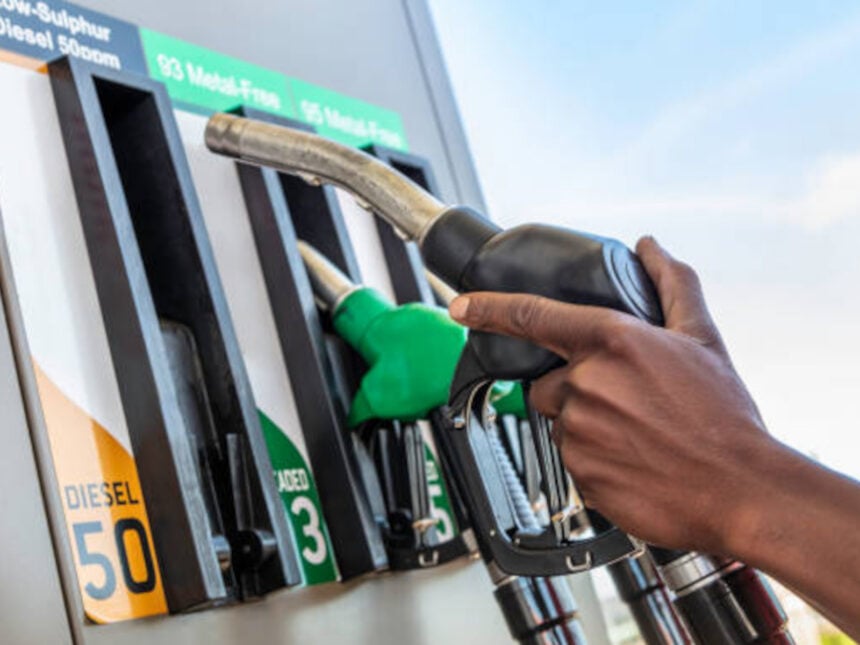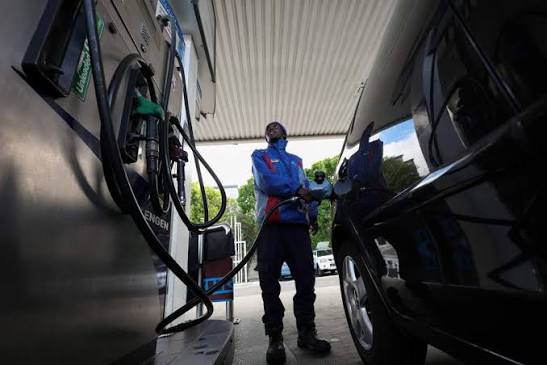
Motorists face very different November fuel price outcomes depending on whether they fill up with diesel or petrol. Projections based on Central Energy Fund data suggest diesel could fall by about R1.71 a litre on Wednesday 4 November, while 95 petrol may drop by only about 23c.
The difference comes from temporary relief on the general fuel levy announced by Finance Minister Enoch Godongwana in the 21 October mini-budget: R3 a litre off diesel and R1.50 a litre off petrol from 4 November to 1 December 2026. Without that relief, the same data points to increases of more than R1.20 a litre for both fuels.
What the data shows
The projections use Central Energy Fund data to the end of the fourth week of October. Based on them, the expected November prices are:
- Petrol 93: R29.88 now, down 12c to R29.76 a litre.
- Petrol 95: R30.25 now, down 23c to R30.02 a litre.
- Diesel 0.05% (wholesale): R31.95 now, down R1.71 to R30.24 a litre.
- Diesel 0.005% (wholesale): R33.29 now, down R1.76 to R31.53 a litre.
Before the levy relief is counted, the data shows petrol under-recovering by R1.27 to R1.38 a litre and diesel by R1.24 to R1.29 a litre. Higher oil prices, with Brent rising from $98 to $114 a barrel, and a weaker rand, at about R16.48 to the dollar, drove those gaps, according to the projections.
How the levy relief works
Godongwana said the levy cut would "ease cost of living pressures without compromising the sustainability of the budget". The relief is reported to cost about R10 billion.
From 4 November to 1 December 2026 the general fuel levy falls by R3 a litre on diesel and R1.50 a litre on petrol. From 1 December to 5 January 2027 the cut is reported to narrow to R1.50 a litre on diesel and R1 a litre on petrol. The price cuts are temporary and apply only during the relief period.
Treasury Director-General Duncan Pieterse said relief is appropriate given current prices, "provided they can be funded without deviating from our fiscal targets".
What could change before 4 November
Petrol is the fuel most exposed. The petrol relief of R1.50 a litre only just outweighs the projected R1.27 under-recovery, so a further rise in oil prices or a weaker rand could erase the small cut. The projections cite attacks on Saudi Arabia and on shipping in the Gulf as behind the oil price jump.
The slate levy, currently 87.66c a litre, may also have to rise. The projections put the Slate Fund at a negative balance of about R10.5 billion at the end of August.
Final prices will depend on Central Energy Fund data for the four weeks to Thursday 29 October, plus the levy changes.
What we do not yet know
- The official November adjustments, which can differ from these projections.
- Whether the slate levy will be raised and by how much.
- How oil and the rand move before the data window closes on 29 October.
- The paraffin and illuminating paraffin changes, which were not available in the projections we reviewed.
- Treasury's own costing of the relief, which we have from a single report and have not confirmed.