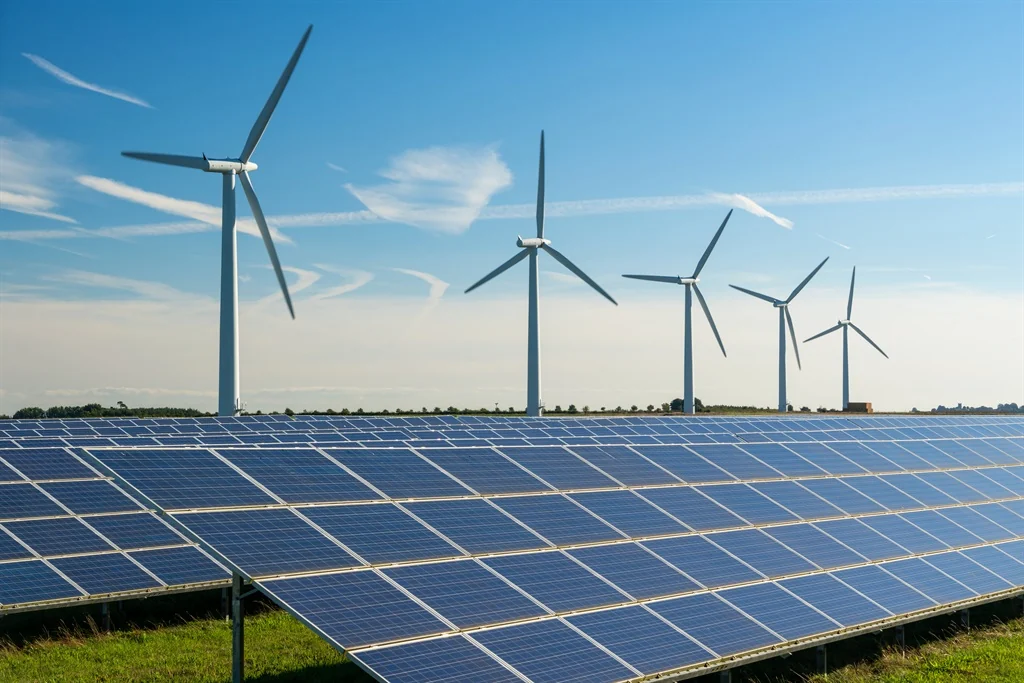
Eskom expects to pay about R4 billion in the current financial year to compensate solar and wind farms for electricity they were instructed not to produce, according to a senior manager at the National Transmission Company of South Africa (NTCSA).
An electricity pricing expert warns that consumers will ultimately carry the cost through tariffs.
What was said
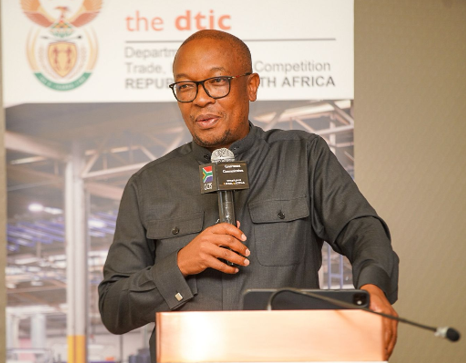
Keith Bowen, senior manager: market operator at the NTCSA, which is still part of Eskom, gave the R4 billion figure at a panel discussion in Sandton hosted by Cresco and Fasken. The payments cover "deemed energy", power a plant would have delivered had the grid operator not told it to curtail output.
Bowen said changing the tariff structure, which needs approval from the National Energy Regulator of South Africa (Nersa), could take up to 10 years, and that battery storage would take at least another two years to help.
Who pays
Electricity pricing expert Deon Conradie warned that these costs will end up with consumers. He pointed to the R383 billion that Nersa allows Eskom to recover from tariffs.
Olga Suchkova, associate director at Cresco, said curtailment risk "lies at the heart of financing decisions" for renewable projects. Rob Futter of Cresco called on the NTCSA to be more transparent about curtailment instructions. Danielle van der Vaart, a Fasken partner, said parties were "very aware" of the risk.
Why it matters
Curtailment happens when the grid cannot absorb all the solar and wind power on offer. As more private renewable plants connect, more of them may be switched off at times, and Eskom must compensate them under its contracts. Nersa's decisions on how such costs are recovered will shape future tariff applications.
What we do not yet know
We have not seen an Eskom or Nersa statement on the R4 billion figure, which comes from a single panel remark. It is not clear how much of the cost Eskom will seek to recover from tariffs, or when.