Developing story: the outbreak is ongoing and figures are changing.
Africa CDC says the Ebola outbreak in the Democratic Republic of Congo is still not under control, six months after it was declared on 15 May, with more than 11,200 infections and 5,500 deaths reported.
The figures are government data, as cited in an Africa CDC statement on Sunday 15 November. The outbreak is driven by the rare Bundibugyo species of the virus. It is the second-largest Ebola outbreak on record, after the 2014 to 2016 West African outbreak, which infected more than 28,600 people and killed more than 11,000.
What Africa CDC says
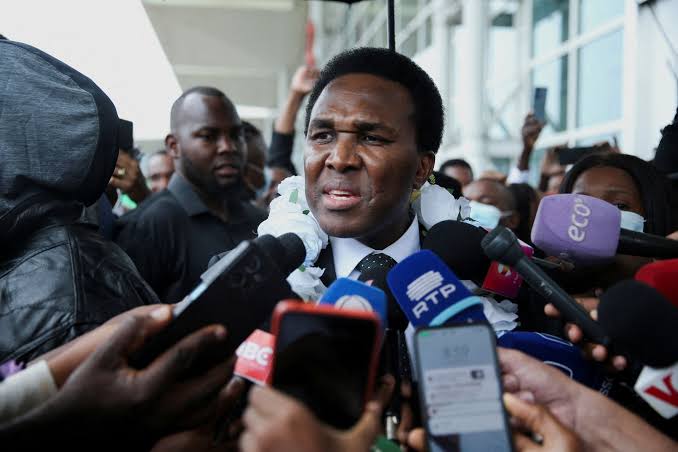
Africa CDC director-general Jean Kaseya said: "We are all in agreement today to say that this outbreak is still serious, and is still not under control." He warned: "If we don't stop this outbreak now, it would be the worst Ebola outbreak that the world will have."
Kaseya described the response as a shared failure rather than blaming any one party.
Why the outbreak is hard to contain
- More than 80% of new cases come from people who were not on known contact lists.
- More than 65% of deaths happen in the community, outside health centres.
- Africa CDC cites deadly attacks on health workers, unpaid staff, a lack of resources and poor coordination between Congo's government and donors.
- Médecins Sans Frontières said this week that aid is still not reaching hotspots, citing untrained staff, ambulances without fuel and a lack of surveillance teams.
Money and health workers
About US$2.9 billion has been pledged in total. Kaseya urged donors to release around US$1.6 billion of that and to coordinate with Kinshasa to avoid duplication and waste.
He acknowledged that some health workers have gone months without pay. Congo's government is working to digitise the payroll.
What we do not yet know
- Africa CDC has also warned of a risk of spread to neighbouring countries, including the Central African Republic and South Sudan. We have not independently confirmed any new cases outside Congo in this report.
- No effective vaccine yet targets the Bundibugyo species, according to Africa CDC.
- We have not confirmed any direct implications for South Africa. Readers with questions can consult the National Institute for Communicable Diseases.