South Africa's universities have told Parliament that the government's student funding model is unaffordable and is pushing institutions towards bankruptcy, as the National Student Financial Aid Scheme (NSFAS) owes them more than R9.5 billion in tuition fees for 2026.
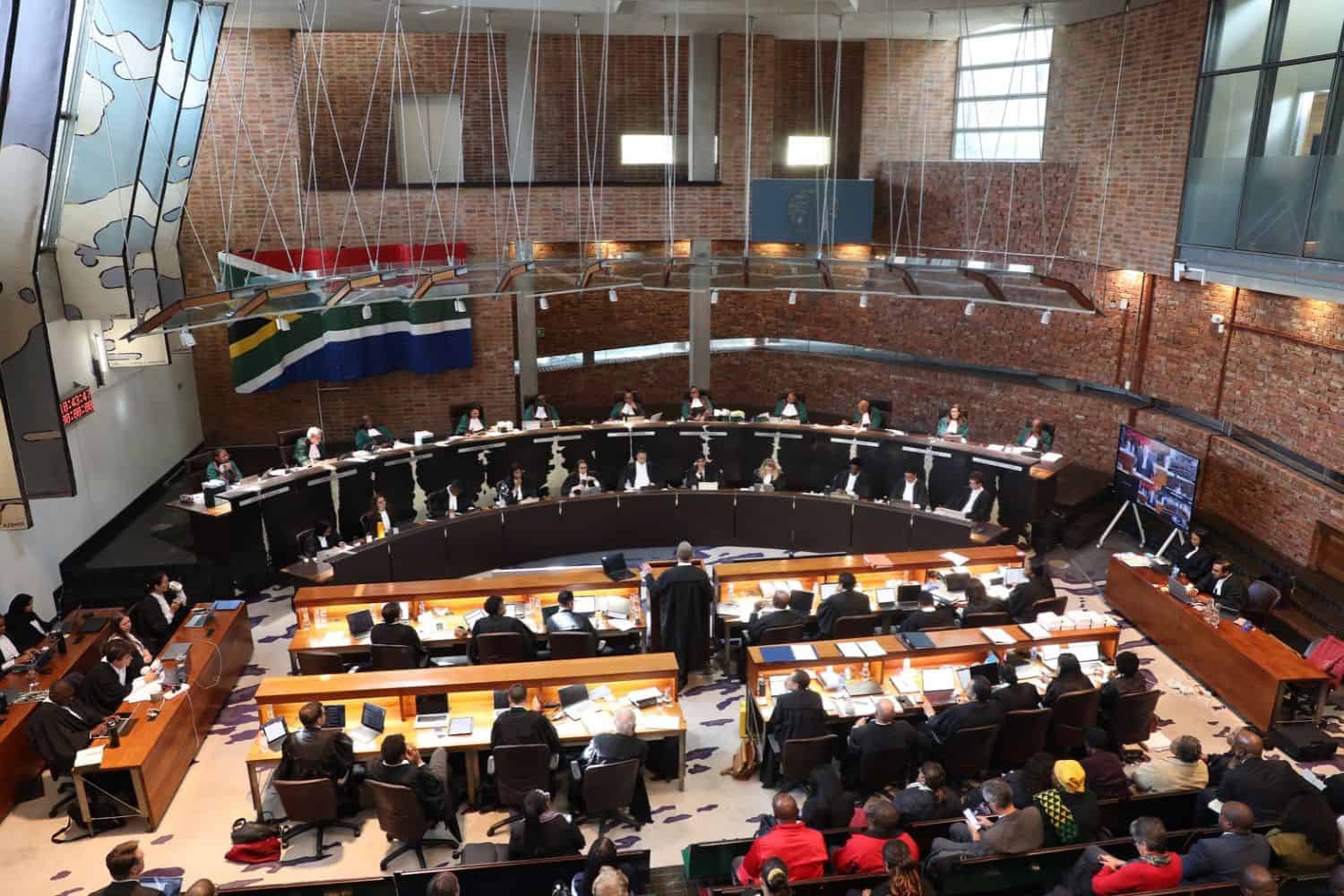
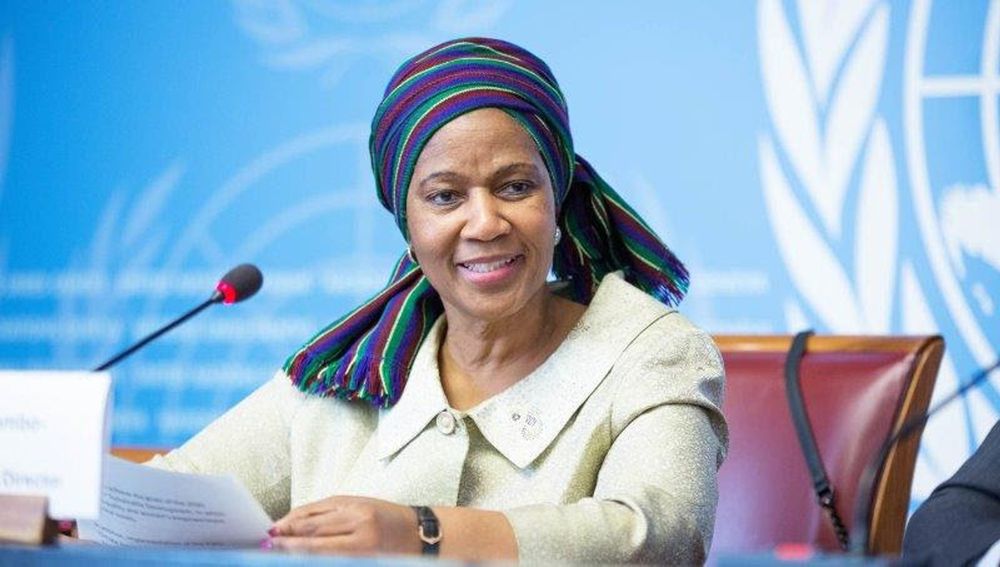
Universities South Africa (USAf), the body that represents the country's public universities, briefed Parliament's portfolio committee on higher education and training on Wednesday. "The current model is not working. It is not sustainable for universities. It needs to be addressed at the highest level," said USAf chief executive Phethiwe Matutu.
The money gap
According to documents presented to the committee, NSFAS owes universities more than R9.5 billion for this year's tuition. Tuition fees make up on average 35% of university income.
NSFAS acting chief executive Laurence Aadnesgaard said the scheme faces a budget shortfall of more than R20 billion. In previous years NSFAS has drawn on its reserves and reprioritised funds to cover gaps, but it cannot do so this year. NSFAS said it had prioritised paying students' accommodation and allowances over tuition to protect students.
Universities also face rising debt from self-paying students, as well as falling block grants and infrastructure allocations, the committee heard.
Why the model is under strain
The current model was introduced in 2018 after the #FeesMustFall protests. Students from households earning less than R350,000 a year qualify for fully funded higher education. NSFAS now supports about 65% of undergraduates, but its budget has never been directly linked to the number of students it funds, which has led to repeated shortfalls.
Thandi Lewin, a deputy director-general in the Department of Higher Education and Training, told the committee that the department is in urgent talks with the National Treasury and expressed confidence that a solution would be found.
What it means for students and families
NSFAS has to close the gap in time to make upfront payments at the start of the 2027 academic year, covering tuition, book allowances and accommodation. Until it does, universities face cash-flow pressure that could affect registration.
Demand is also rising. A record 962,832 candidates wrote matric this year. Universities expect about 440,000 to earn a bachelor's pass, far more than the 232,209 first-year places planned for 2027.
Matutu asked the Department of Basic Education to return to releasing matric results in the first week of January. Under the current schedule, results go to universities on 10 January, the minister announces them on 11 January and candidates receive their individual results on 12 January.
What we do not yet know
- How much the Treasury is prepared to add, and when.
- Whether any university will delay 2027 registration because of unpaid NSFAS fees.