The United Nations political mission in Somalia ended on Saturday 31 October, closing more than three decades of successive UN missions in the country and leaving no agreed body to mediate an unresolved dispute over how long the president and parliament may stay in office.
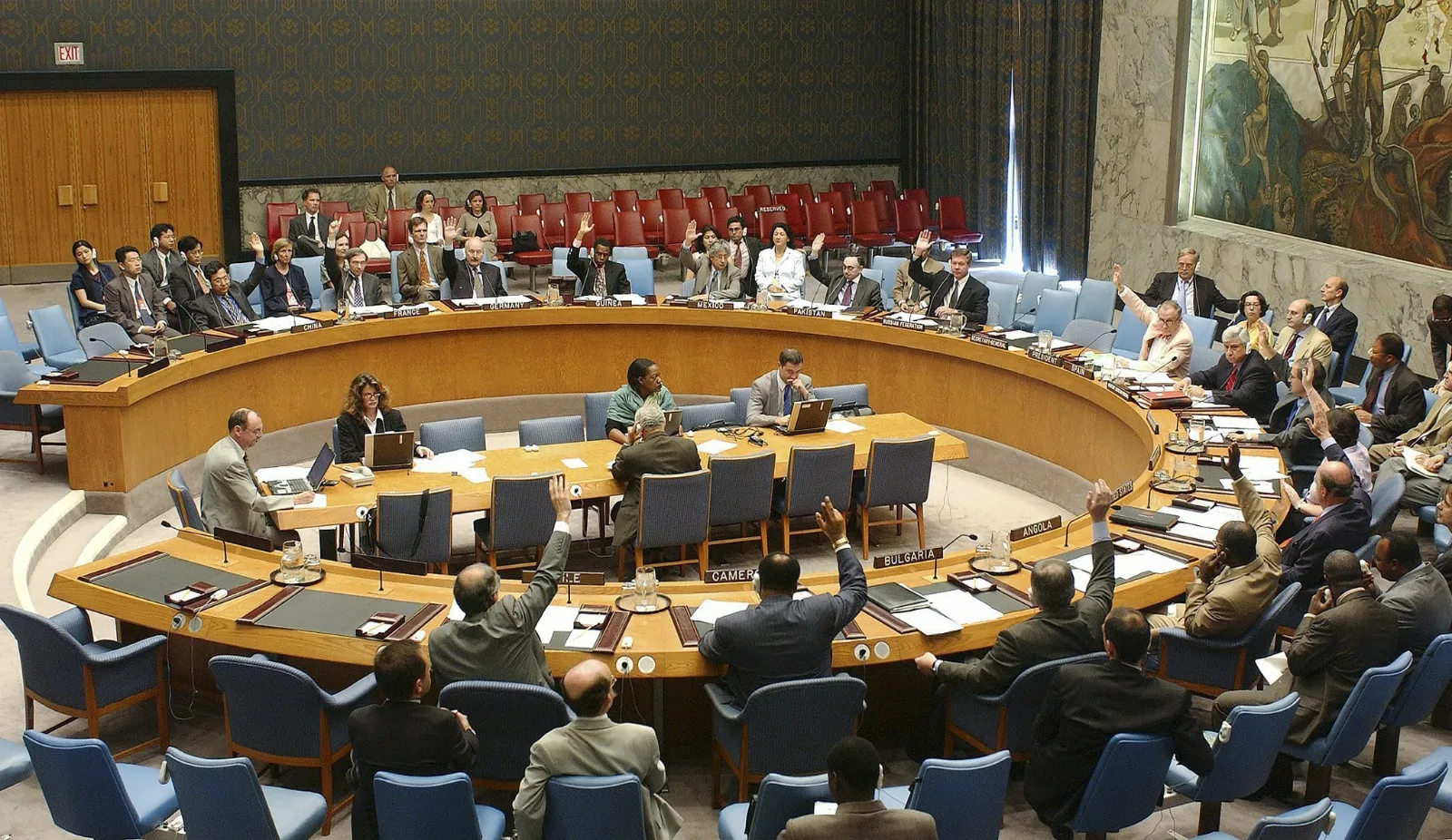
Somalia's government asked the UN to close the mission in 2024, and the Security Council approved a two-year handover of its work to Somali institutions and other UN bodies, according to a news agency report.
Why the mission closed
The mission, the United Nations Transitional Assistance Mission in Somalia, followed a UN office set up after peacekeepers left in March 1995, according to the agency report. A statement from the spokesperson for UN Secretary-General Antonio Guterres, reported separately, said the closure followed Security Council resolutions 2753 (2024) and 2809 (2025) and a request from Somalia's federal government.
The agency report says African Union troops will keep supporting Somali forces against militants and UN aid agencies will stay. It says a separate UN office will continue to provide supplies, transport and other support to AU troops and some Somali security units.
Guterres acknowledged "significant political, security and humanitarian challenges" in a statement on the closure and called for sustained international support, according to the report. Deputy Prime Minister Salah Ahmed Jama said at a farewell ceremony in Mogadishu: "The ceremony signifies that Somalia has moved beyond the transitional period and difficult circumstances."
The dispute over terms of office
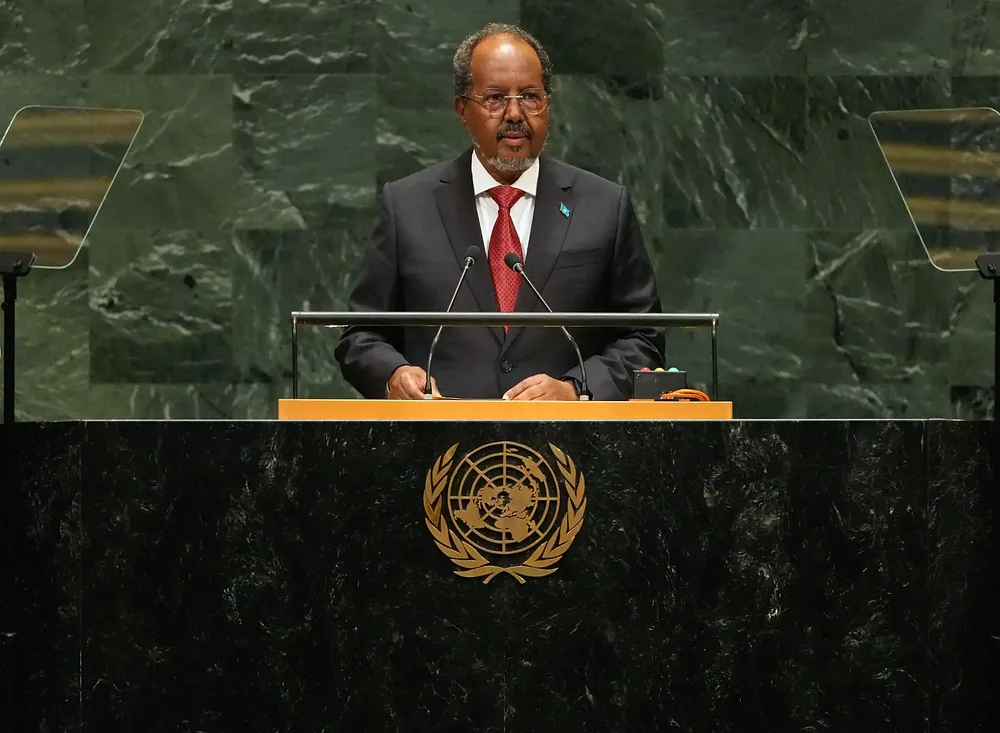
President Hassan Sheikh Mohamud's four-year term was due to end on 15 May and parliament's on 14 April, according to the agency report. Parliament approved constitutional changes extending both terms to five years. The government says the changes allow the current president and lawmakers to stay until 2027. Opposition leaders reject applying them to sitting officeholders and say the mandates have expired.
The report says opposition supporters and security forces clashed in Mogadishu in June before a planned protest, and that mission-backed talks in July ended without resolving the dispute. In a September letter seen by the agency, the opposition Somali Future Council asked for an international mediation mechanism after the mission closed.
Mohamed Husein Gaas, director of the Mogadishu-based RAAD Peace Research Institute, told the agency: "Somalia could find itself confronting a political crisis without an agreed mechanism to contain it."
Mohamud has invited political leaders to election talks from 14 to 18 November, according to the report. The main opposition groups have not confirmed they will attend.