In one Limpopo classroom, a single Grade 8 class has 101 pupils. In Gauteng, 1,250 learners at one primary school share 13 working boys' toilets and 16 working girls' toilets. In the Eastern Cape, pupils at one school have fought over chairs. Those are among the findings of the South African Human Rights Commission's 2026 State of Schools report, released on Monday, 23 November.
The commission said its monitors visited public schools in all nine provinces during the first quarter of 2026. It said many of the problems it found had already been flagged in earlier monitoring rounds.
"Regrettably, these challenges remain prevalent in the schools monitored in 2026," SAHRC commissioner Tshepo Madlingozi said.
What the monitors found
According to the report:
- Overcrowding and deteriorating buildings were reported in all nine provinces.
- Eight provinces reported teacher and furniture shortages, and eight reported water and sanitation problems.
- Seven provinces reported delays in assessing and placing learners with special educational needs. In the Eastern Cape, referrals took up to three years. In Gauteng, delays ran from six months to a year.
- Pit toilets are still in use at rural schools in Limpopo and KwaZulu-Natal.
- Some schools depend on teachers paid by their school governing bodies to keep classes running.
- Some undocumented learners are left out of school nutrition programmes and other support.
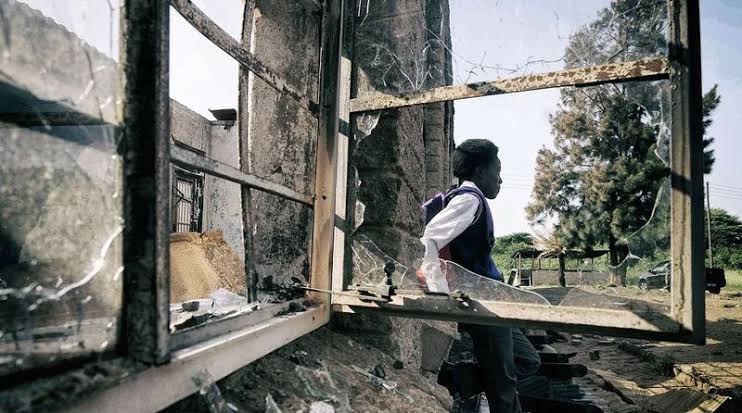
The report names specific schools. At Adolf Mhinga Secondary in Limpopo, where the Grade 8 class has 101 pupils, the commission found the school had asked for five mobile classrooms in 2022 and had received no response. It has no municipal water and spends about R750 a week buying it. At Isiqalo Primary in Rand West City, Gauteng, the Grade 1 and 2 classrooms are built with asbestos. At Mzamomhle Special School in the Eastern Cape, there is no social worker, occupational therapist or nurse, and temporary structures are used as classrooms.
The commission also described learners at Joe Slovo Public School in Gqeberha who cannot reach school when the rains flood their route, because there is no scholar transport.
Why this matters for every family
Basic education is a right under Section 29 of the Constitution, and the commission said its monitoring followed complaints from the public about access to it. For parents, the findings describe the daily conditions their children learn in: whether there is a desk to sit at, a working toilet to use, or a teacher in the classroom.
"The repeated identification of similar challenges from one monitoring cycle to another demands more than acknowledgement," Madlingozi said.
The report also noted some good news. Some schools had enough learning materials, working nutrition programmes and effective systems for placing learners. The commission said those gains must reach every learner.
What happens next
The commission has called for a national infrastructure audit that puts unsafe buildings, sanitation, asbestos structures and stalled construction projects first. It also wants more classrooms and furniture, vacant posts filled, and fixed timeframes for placing learners with special needs.
SAHRC spokesperson Wisani Baloyi said the risks "should be addressed through time-bound remedial plans" with clear ownership by the national and provincial education departments, measurable milestones and regular progress reports to the commission.
The national Department of Basic Education has 60 days to submit a detailed response, and provincial education departments must submit service improvement plans by 26 February 2027. The commission said it will keep monitoring and may take legal action where necessary.
What we do not yet know
- How the Department of Basic Education and provincial departments will respond to the specific schools named in the report.
- The exact number of schools visited: the figures released on the day were given as 170 and 173.