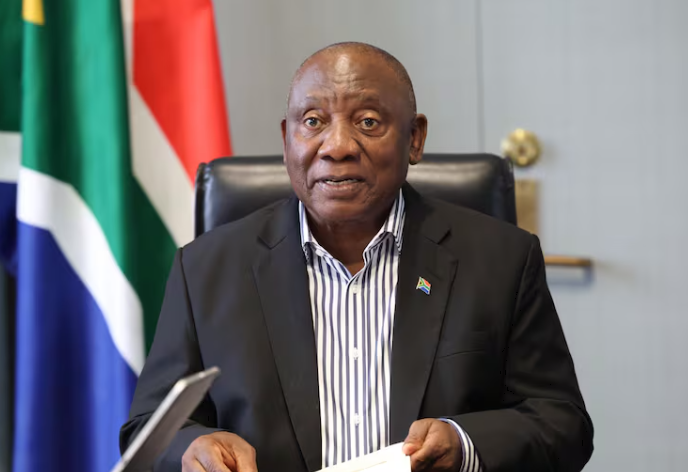
President Cyril Ramaphosa has told the National Council of Provinces that 60% of the 30 reform actions in the second phase of Operation Vulindlela are complete or on track, and that the first private train operators are expected on the national rail network in 2027.
Answering oral questions in the NCOP on Tuesday 24 November, Ramaphosa said 30% of the reforms were progressing and 10% were receiving targeted intervention. Every reform is tracked quarterly so that bottlenecks can be escalated, he said. "Where Operation Vulindlela reforms are delayed, we are acting decisively."
Electricity
Ramaphosa said Eskom had gone more than 550 consecutive days without load-shedding, that plant performance had improved by about 15 percentage points since 2022, and that the utility had been profitable for two years in a row.
He said government approved a ministerial determination in October for 4,600MW of battery storage and 5,000MW of gas power. More than 7GW of new generation has been connected, households and businesses have installed over 9GW of rooftop solar, and "a further 36GW of projects are in the grid connection process", he said.
A first report from the Eskom Restructuring Task Team, which proposes an independent transmission system operator, was approved in August. A detailed plan is due by the end of January, and Ramaphosa said it must ensure that "Eskom's financial position is not impaired".
Ports and rail
Ramaphosa said the "decline in Transnet's performance has been reversed", with volumes recovering. Cabinet has approved an approach to an independent, state-owned National Ports Authority, and the first private train operators are expected on the rail network in 2027, he said.
What it means for municipalities
A new White Paper on Local Government was launched last month. Under it, municipal water and electricity providers would need operating licences and would have to reinvest service revenue in infrastructure, Ramaphosa said. A dedicated workstream on municipal electricity debt and distribution now sits under the Eskom task team.
For residents, that would tie the money councils collect for water and power more closely to maintaining those services. The proposals arrive as new councils across the country take office this week.
Ramaphosa said the reforms had "made us more resilient, raised investment and renewed confidence", and should help growth approach the government's 3% target by the end of the decade.