Analysis
Of the 144 municipalities responsible for water services, 126 fail basic sewage standards once chemical and physical tests are counted, or do not report at all. In 83, the drinking water is rated bad or poor, or the required test results were never published. Not one of the country's eight metros received a clean audit in the 2024/25 financial year.
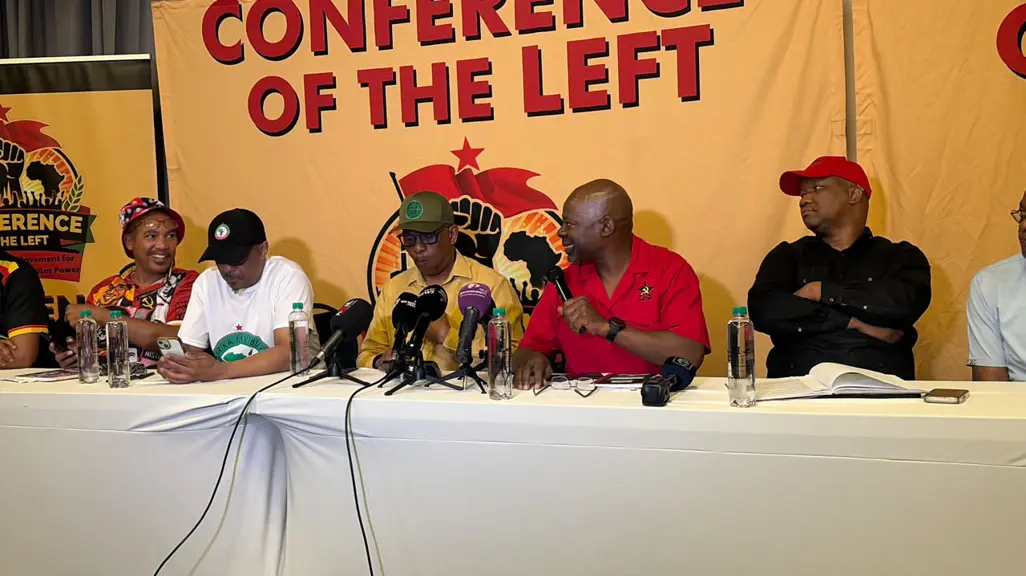
Those are the councils South Africans elected on 4 November. The parties now have 14 days to decide who runs them.
The results declared on 8 November gave no party a clear mandate. The ANC remains the largest party nationally with about 31% of the vote, down from 45.59% in 2021. The DA took 24.64%, up from 21.62%. Turnout rose to 52% from 45.9%. More than half of the country's 213 councils have no majority party, roughly double the number of hung councils after 2021.
The question for the next fortnight is whether these coalitions will be built around pipes or around positions.
Seven metros, no majority
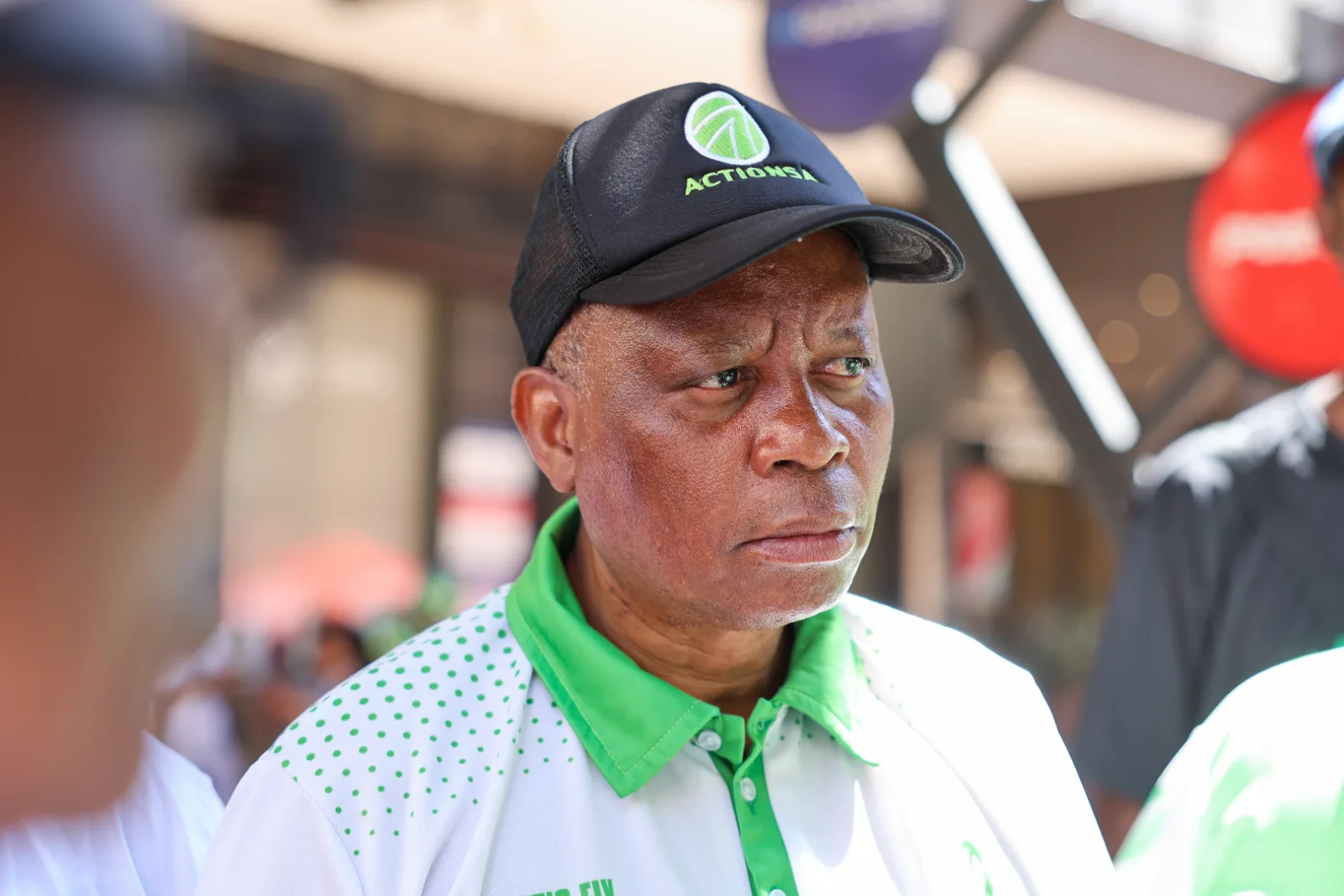
Only Cape Town, where the DA kept its outright majority, can govern without partners. The DA is the largest party in Johannesburg, Tshwane, Ekurhuleni and Nelson Mandela Bay but holds a majority in none of them. The ANC leads in Buffalo City and Mangaung. In eThekwini, Jacob Zuma's uMkhonto weSizwe (MK) Party is now the largest party, with 86 of 223 seats. ActionSA came second in Tshwane with about 22% and will be a kingmaker across Gauteng.
Under section 29(2) of the Municipal Structures Act, each new council must hold its first meeting within 14 days of being declared elected. That meeting elects the speaker and the mayor. With results declared on 8 November, the deadline falls around 22 November.
The 14 days are the deadline for that first meeting, not for a coalition agreement. A proposed amendment that would have extended the period to 30 days and set firmer rules for coalitions was not passed before the vote. Parties are therefore negotiating under the same law that produced repeated collapses after 2021, when coalitions changed often and mayors came and went.
What the new councils inherit
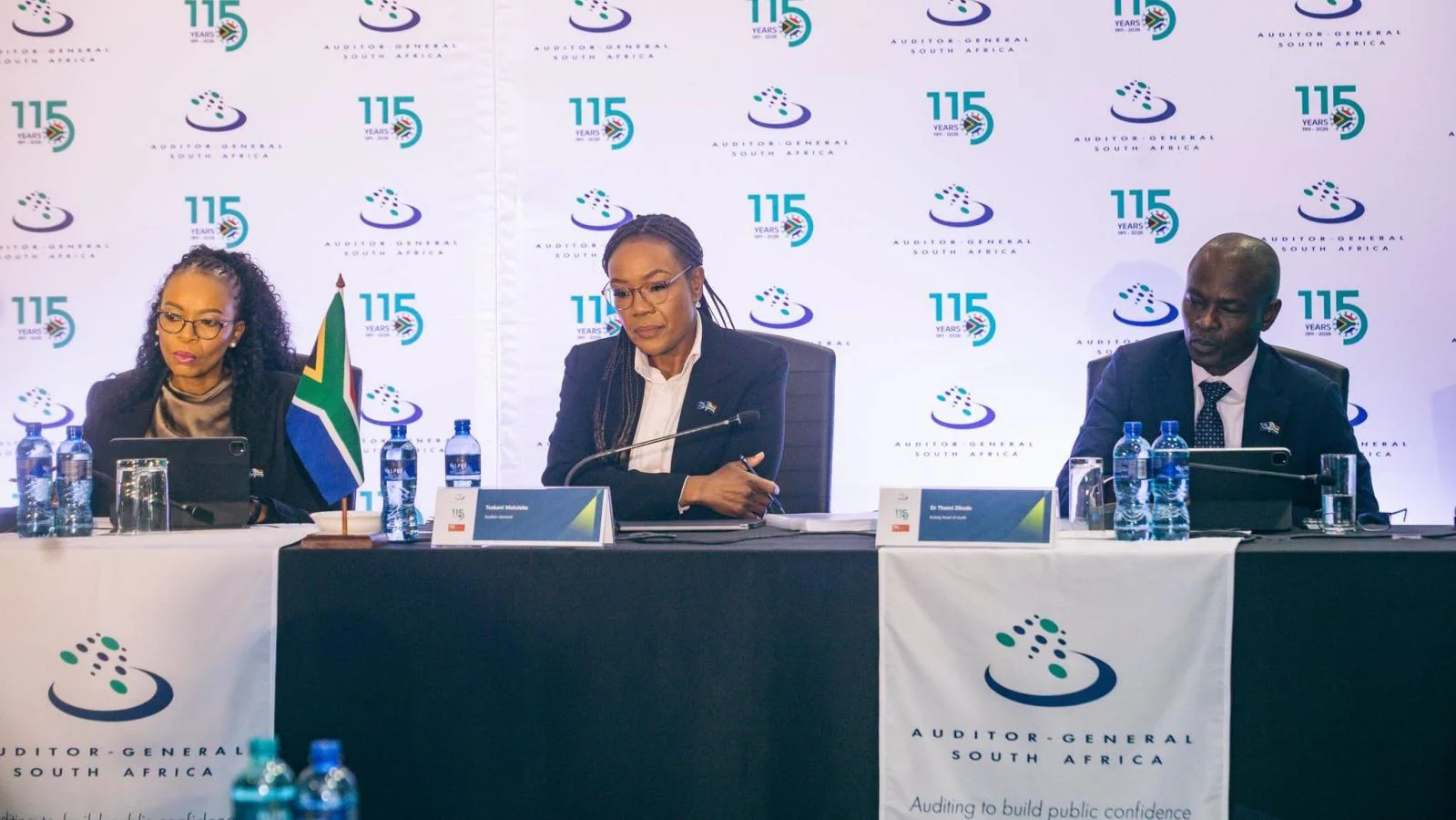
The audit and water figures come from a GroundUp analysis published before the vote. It drew on the Department of Water and Sanitation's regulatory data and the Auditor-General's 2024/25 municipal results.
- Audits: only 29 of 257 municipalities, about 15%, received clean audits. The most common outcome was an unqualified opinion with findings.
- Metros: Buffalo City, Nelson Mandela Bay, Mangaung, Tshwane and Ekurhuleni received qualified opinions. Johannesburg, eThekwini and Cape Town received unqualified opinions with findings.
- Sewage: 112 of 144 water services authorities failed microbiological standards or did not report. Only 18 met effluent standards.
- All three tests: only George and Witzenberg, both in the Western Cape, met the standard for wastewater, drinking water and audits together.
GroundUp also found wide differences by governing party. About 65% of DA-led councils received clean audits, against 5% of ANC-led councils and 9% of IFP-led councils. DA-led councils are concentrated in the Western Cape and are fewer in number, so the comparison says as much about geography and scale as about any single party.
For residents, these are not abstractions. A qualified audit means the Auditor-General could not confirm that money was spent and recorded properly. Failing sewage works send untreated effluent into rivers that other towns downstream drink from.
The rules for the deal-makers
Guidelines signed on 30 September by the Department of Cooperative Governance, National Treasury and the South African Local Government Association (SALGA) say coalition agreements cannot override the Constitution, the Municipal Structures Act, the Municipal Systems Act or the Municipal Finance Management Act (MFMA). Officials must stay neutral in negotiations, and municipal cars, venues and money may not be used for party business. Outgoing administrations must brief new councils on service backlogs, the condition of infrastructure and maintenance needs.
Those briefings will show the new councils what they are taking on. The coalition agreements, which are usually not made public, will show whether they plan to deal with it.
The questions voters should ask
Will any coalition agreement in a hung metro commit to measurable targets on water quality, sewage or audit outcomes? Will the agreements be published? And who will answer when a partner walks out and a budget stalls, as happened repeatedly in Gauteng's metros in the last term?
The mayors must be chosen by about 22 November. The failing sewage works will still be there the day after.