Developing story: the Health Department has not yet answered psychiatrists' latest call for an investigation, and shortage figures differ depending on how they are measured.
More than 160 medicines are on South Africa's critical shortage list, and psychiatrists say patients in public clinics are at risk of relapse, as the Health Department blames factory closures and global supply disruption.
According to figures reported this week, the October "hotlist" of critical shortages contains 165 items, and more than one in seven of the 1,135 medicines on the November master products list are at risk of running out.
Psychiatric medicines are among those affected
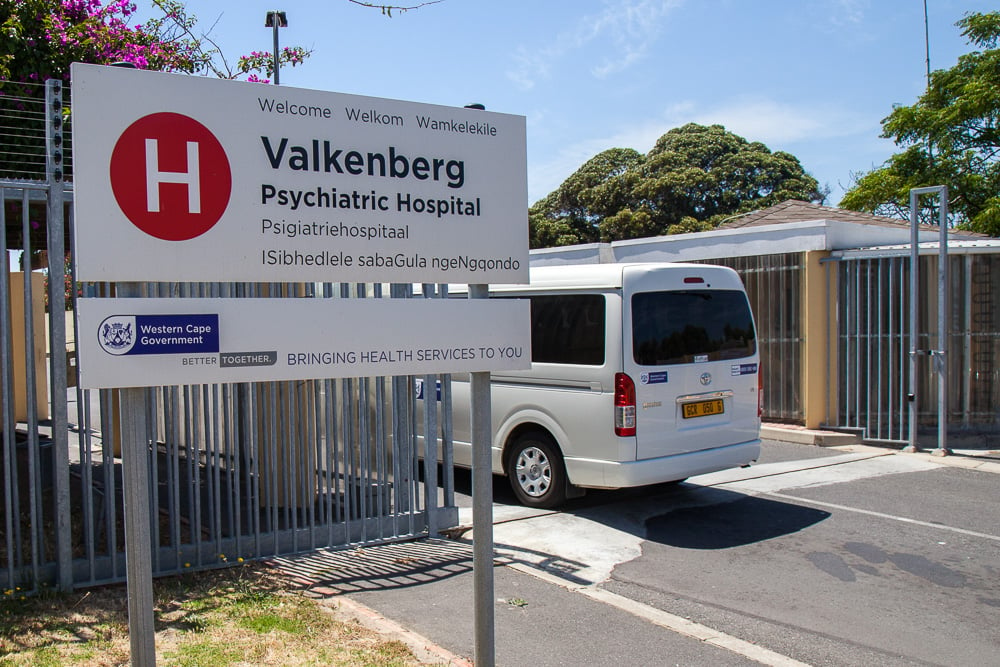
The South African Society of Psychiatrists (Sasop) says patients in Gauteng, KwaZulu-Natal, the Western Cape and the Eastern Cape are struggling to get antipsychotics and antidepressants, including risperidone, olanzapine, aripiprazole, quetiapine, amisulpride, chlorpromazine, fluoxetine and amitriptyline. It also lists lorazepam injections and orphenadrine. Sasop says the list is based on complaints from members and may not be complete.
Dr Mvuyiso Talatala, a past president of Sasop, said psychiatrists have been reporting shortages since June. Sasop warns that patients risk relapse, complications and admission, and that switching medicines is not simple because patients can respond differently to alternatives. It has called on Health Minister Aaron Motsoaledi to investigate and find an urgent solution.
Sasop also alleges that some hospital managers are stopping psychiatrists from writing private prescriptions for families who want to buy the medicines themselves. We have not independently verified that claim.
Other medicines and the wider picture
Reports this week also point to shortages of cancer, HIV and non-communicable disease treatments, injectable cortisone and certain eye drops. The Independent Community Pharmacy Association says retail pharmacies are struggling with only a handful of items.
Andy Gray, a pharmaceutical sciences lecturer at the University of KwaZulu-Natal, said shortages are "worse than ever before". He blamed port congestion, the Middle East conflict, unpaid supplier bills and companies dropping older, unprofitable medicines. The Pharmaceutical Task Group, chaired by Stavros Nicolaou, said the shortage list is the longest "in living memory" and blames the department's three-year tender system for discouraging sustainable supply.
What the Health Department says
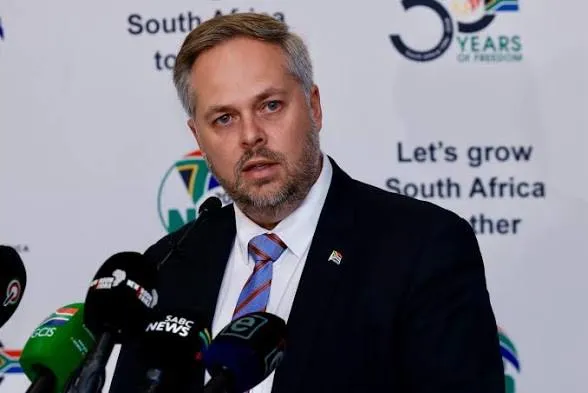
Department spokesperson Foster Mohale described the disruption as unprecedented. He said some local manufacturers did not meet regulatory standards and that the South African Health Products Regulatory Authority (SAHPRA) closed some production lines. The department named Barrs, Adcock Ingram, Wrapsa, Sonke and Aspen Pharmacare as affected companies. It says it is seeking alternative supplies through public procurement and special imports under Section 21 of the Medicines Act, and is helping provinces with payment delays.
In September, Khadija Jamaloodien, the department's chief director for health products procurement, said the problem was not widespread, affecting roughly 40 to 50 of about 1,200 product line items. "It shouldn't be seen as the medicine supply chain collapsing," she said.
What provinces and patients are doing
The Western Cape Department of Health and Wellness said in a statement on 19 October that its minister, Mireille Wenger, wrote to Motsoaledi in September asking for national action and clear timelines. "Medicine supply constraints are a country-wide challenge and requires a coordinated national response," Wenger said. The province monitors stock weekly at the Cape Medical Depot, redistributes stock between facilities and supports temporary imports.
The province advises patients to keep collecting their medication, to ask questions if a medicine looks different, and not to change how they take it without speaking to a healthcare professional.
Taswill Welcome, a mental health advocate who runs a Cape Town support group, said three of about 40 members relapsed and were hospitalised after struggling to get chronic medication since June. That account has not been independently confirmed.
What we do not yet know
- Whether the department will respond to Sasop's call for an investigation. It had not commented on it when the call was reported on 6 November.
- Why the figures differ. The 165-item hotlist and the 40 to 50 line items cited in September measure different things, and we have not seen the underlying lists.
- When stock will return. No restocking date has been given.