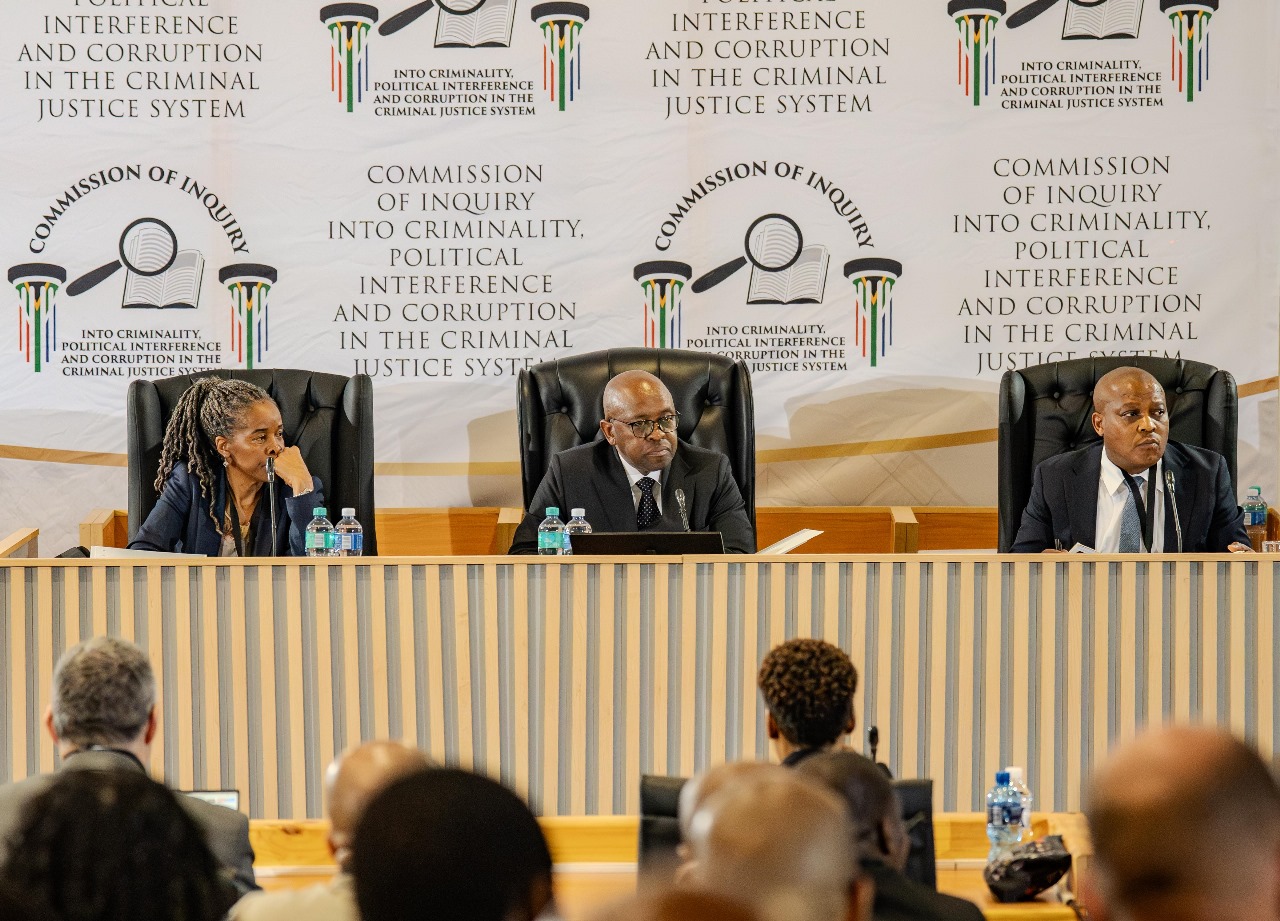
The Madlanga Commission was meant to finish by 31 August. On Wednesday it sat for its 192nd day, with its final report now due on 25 January 2027.
The commission was set up to find out whether criminal networks had captured the police, prosecutors, intelligence services and the courts. It can recommend. It cannot arrest anyone. What happens next belongs to police and prosecutors, and the record of that second stage is now long enough to read.
The clock
President Cyril Ramaphosa has moved the deadline twice: from 31 August to 16 November, then, in a final extension announced in September, to 25 January 2027. The Presidency said the extra time would let the commission process more evidence, including expert testimony on its terms of reference. Public hearings paused for the 4 November local elections and resumed on 9 November, with Vusimuzi "Cat" Matlala back on the stand.
The commission has handed the president two interim reports, in December 2025 and on 29 May 2026. The second recommended disciplinary proceedings and criminal investigation involving Lieutenant-General Shadrack Sibiya, Sergeant Fannie Nkosi, businessman Brown Mogotsi and a person known as Witness G. These are recommendations and referrals, not findings of criminal wrongdoing.
What has followed
A police task team set up after the first interim report has been working through the referrals. Its arrests include Nkosi on 2 April and four current and former Ekurhuleni officials in a July overnight operation, among them suspended metro police deputy chief Julius Mkhwanazi. Businessman Stuart Scharnick was arrested outside the commission's venue on 20 August. Businessman Suliman Carrim was arrested at OR Tambo airport on 15 October over his failure to appear before the commission. On 30 October, former Investigating Directorate Against Corruption (IDAC) head Andrea Johnson and dismissed Crime Intelligence deputy Feroz Khan were arrested and granted R10,000 bail each over an alleged 2018 matter, which is unrelated to the commission's main inquiry. All of these people are presumed innocent, and several dispute the allegations.
What the arrests have not reached
The commission's centre of gravity has been an alleged organised crime network known as the "Big Five", described to it by Crime Intelligence head Lieutenant-General Dumisani Khumalo. On 2 September the commission displayed a photograph naming five alleged figures: Katiso "KT" Molefe, Steve Motsumi, Ignatius Mothakathi, Andrew "Boy" Mthethwa and the late Jothan "Mswazi" Msibi, who died in January 2024.
Molefe was arrested in December 2024, before the commission began. In mid-September, The National reported that of the four surviving men named, only Molefe had been arrested. EWN reported on 9 September that the whereabouts of Motsumi and Mothakathi were unknown. None of the three has been found by any court to have done anything wrong, and the allegations remain allegations. The reports reviewed carry no response from them, and nothing newer than September on their status.
Police Minister Firoz Cachalia's written reply to Parliament, published this week, adds a related data point. It says no SAPS member was charged in the period covered with organised crime, drug trafficking, extortion, kidnapping or protecting criminal syndicates.
The machinery under scrutiny
Turning testimony into prosecutions depends on the same institutions the commission has been examining. IDAC, the unit that prosecutes many of these cases, is itself in the frame. Its former head, Johnson, is now an accused. Before the commission this week, Matlala alleged that IDAC officials coerced him into a plea-deal statement containing false claims, including claims implicating National Police Commissioner Fannie Masemola. IDAC has not been reported as responding in the sources reviewed, and these claims are unproven.
Masemola was charged in April with contravening the Public Finance Management Act over a R360 million SAPS contract awarded to Matlala's company, Medicare24. He has since been cleared and returned to work. The commission's chair, retired Justice Mbuyiseli Madlanga, objected to Masemola being grouped with people charged with corruption and fraud. Johnson, in July testimony, accepted the optics were poor.
What January will and will not settle
The final report will land on the president's desk with the hearings still producing new allegations and new arrests. It will recommend. Whether the evidence converts into convictions of those at the top of the alleged network depends on investigators, on prosecutors who face their own credibility questions, and on courts that, as the Gumede and Phahlane trials show, can take years.
EWN reported on 9 September that the whereabouts of two of the men named as senior alleged members of the Big Five were unknown. The commission has until 25 January to say what it makes of that.