Developing story. Details may change as coalition talks continue.
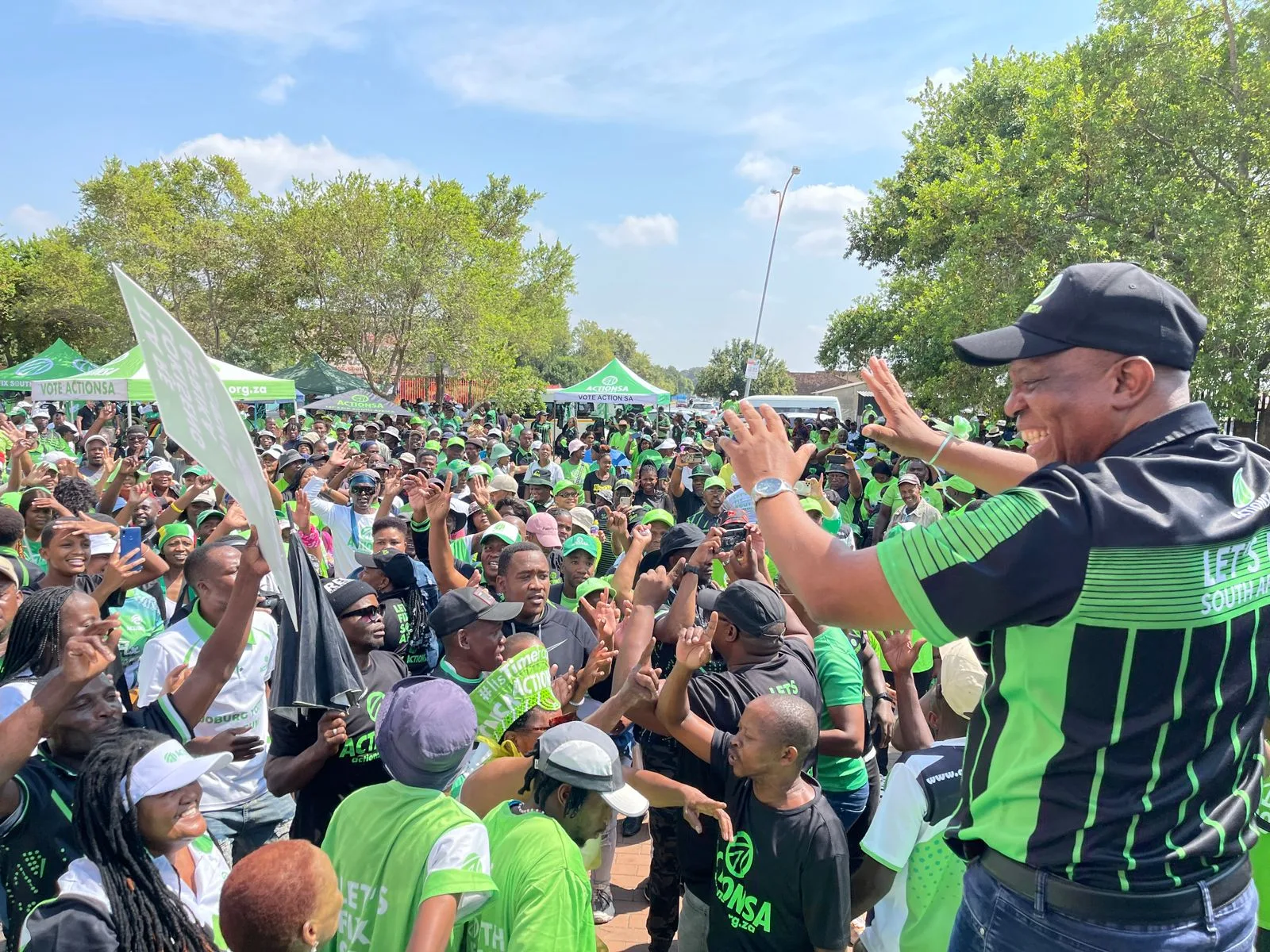
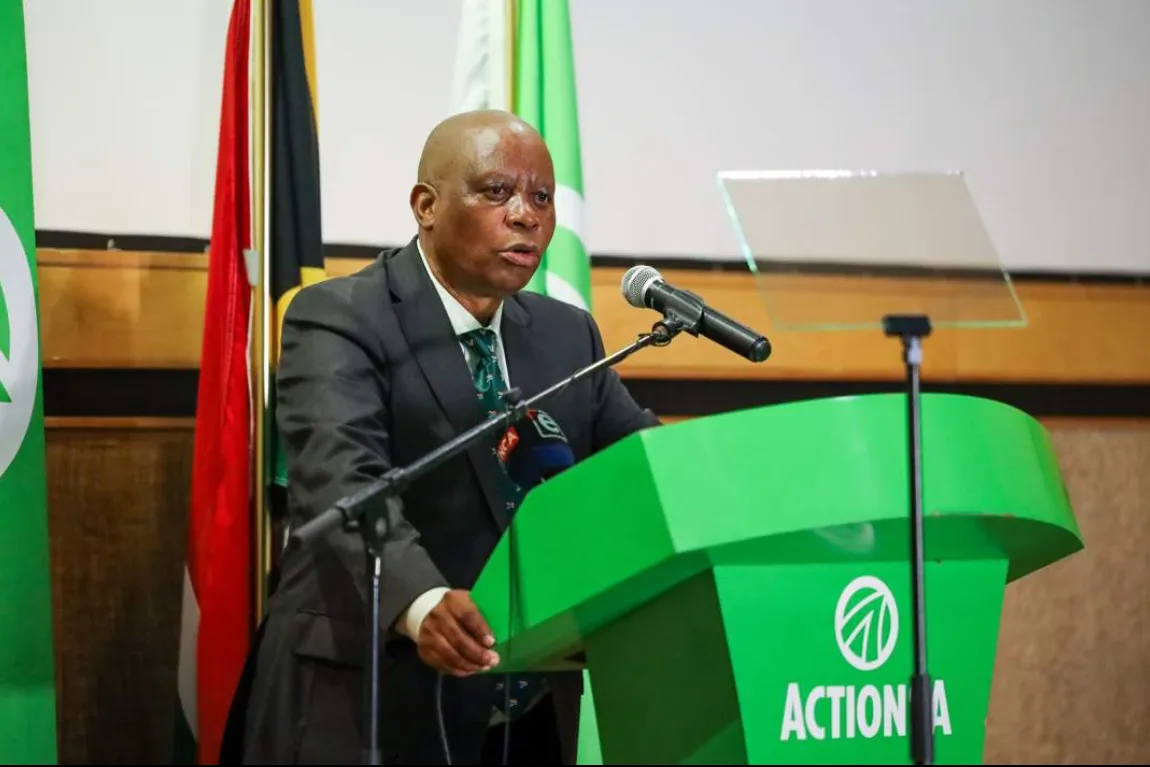
South Africa's coalition season has an unexpected main player. With councils hung across Gauteng, it is not the ANC or the DA setting the pace in Johannesburg, Tshwane and Ekurhuleni. It is Herman Mashaba's ActionSA.
The ANC has offered ActionSA a deal to jointly govern all three metros. Under the proposed split, ActionSA would take the mayoral chains in Johannesburg and Tshwane, while the ANC would lead Ekurhuleni. If that deal is finalised, the DA, the country's second-largest party and the ANC's partner in the Government of National Unity, would find itself outside government in the economic heartland of the country.
Talks that never quite started
On paper, a DA-ActionSA partnership looked like the natural fit. Both parties campaigned against ANC misgovernance in the metros, and both share a broadly pro-market outlook. In practice, the relationship has been sour for years, dating back to the collapse of earlier multiparty governments in Johannesburg and Tshwane.
As of Wednesday, 19 November, talks over the three metros remained deadlocked. The Freedom Front Plus tried to broker a deal between the two parties, but its leader Corné Mulder described a DA, ActionSA and FF Plus arrangement for the Gauteng metros as a bridge too far.
Mashaba, for his part, has signalled that he will not be pushed. In a piece published on 14 November, he said he would not be bullied into political decisions, a message widely read as a response to pressure from stakeholders who want ActionSA to partner with the DA rather than the ANC.
Why this changes the map
For most of the past decade, South African coalition politics has been framed as the ANC and its allies against a DA-led opposition bloc. What is emerging in Gauteng is a different picture: a loose alliance of very different parties, united less by shared policy than by a willingness to work around the DA.
If ActionSA, a party that built its brand on fighting ANC failures in Johannesburg, now governs alongside the ANC, it redraws the old opposition lines. The contest stops being government versus opposition and starts looking like the rest versus the DA.
For the ANC, the arrangement offers a way back into power in metros it lost. For ActionSA, it offers mayoralties and real influence far beyond its vote share. For the DA, it raises an uncomfortable question: whether its approach to coalition partners has left it isolated just as kingmakers decide the outcome.
Not a clean national split
In Nelson Mandela Bay, the DA has confirmed advanced coalition talks in the hung metro without naming its partners, with reports indicating they include ActionSA, the UDM and the FF Plus. ActionSA is not committed to one camp. It is playing each council on its own terms, which is exactly what gives it leverage.
eThekwini: the ANC and MK reunite?
The same pattern is playing out in KwaZulu-Natal, with an even more striking twist. The ANC and the MK Party, founded by Jacob Zuma after his break with the governing party, are in talks to govern eThekwini and several other hung councils in the province.
MK won 86 seats in eThekwini and the ANC 37, a combined 123. MK's Dali Mpofu has said the party could go with a single partner or build a wider pact of four or five parties, with the IFP among possible partners. Reports also suggest ActionSA could join an ANC-MK arrangement, once again shutting out the DA.
The ANC in KwaZulu-Natal is divided over whether to choose the DA or MK. Supporters of an MK deal argue that most MK councillors are former ANC members. Provincial task team coordinator James Nxumalo insists there are only differing opinions, not divisions, and said a decision would come by the end of Friday. The council's first sitting is set for 24 November.
If it happens, an ANC-MK pact would be remarkable. Just two years after MK tore into the ANC's support base, the two could be sharing power in the country's third-biggest city, with the DA once again on the outside.
From the metros to the Union Buildings
The fight over Gauteng goes straight to the heart of the Government of National Unity, where the DA and ANC have governed together since 2024.
Senior members of the ANC's national executive reportedly argued that the DA should be the "last resort" in coalition talks, with ActionSA the first preference. That reflects a line long pushed by Gauteng Premier Panyaza Lesufi: keep the DA out of the province and give ActionSA room to grow.
Some analysts argue that by locking the DA out of the big metros, the ANC strips it of bargaining power in the GNU. If the DA pushes too hard nationally, the ANC can point to a ready-made alternative partner.
A partnership changing shape
The DA's value inside the GNU has rested partly on the idea that it is the only serious alternative to the ANC. A working ANC-ActionSA alliance weakens that claim.
DA leader Geordin Hill-Lewis has warned that an ANC-ActionSA deal would be a "big mistake" and would bring "more of the same instability" to the three metros. He has also made clear the party will not sacrifice Helen Zille to win over ActionSA, even though disagreements over her role have helped stall talks.
Bending to ActionSA's demands could keep the DA in government in Gauteng. Holding firm protects its internal unity, but risks leaving it isolated, a junior partner nationally with no power base in the country's economic hub.
Politics after the two-party era
For years, the country was framed as the ANC against a DA-led opposition. That model is fading. Mid-sized parties now decide outcomes, switching partners from one council to the next.
If the Gauteng deal holds, it sets a template: the ANC no longer needs the DA to govern, and the DA can no longer count on being the default alternative. The result is a more fluid, transactional politics, where loyalty lasts only as long as the deal does.
Put Gauteng and eThekwini side by side and a clearer picture emerges. In both provinces, the ANC is reaching for partners that once defined themselves against it. If both deals land, the DA is pushed to the edges in two of the country's biggest economic regions. That raises a hard question for 2029: is the GNU a lasting partnership, or a marriage of convenience the ANC is already planning to outgrow?
A chance to prove a point
For many South Africans, these deals carry a meaning beyond council seats. A growing argument holds that black-led parties, whatever their past quarrels, should come together and show the country and the world that they can govern well.
Those making this case point out that the ANC, ActionSA, MK and others share roots in the struggle for liberation and a common concern with jobs, service delivery and economic inclusion. For them, a stable, well-run coalition would answer decades of claims that black leadership means decline.
The opportunity comes with pressure. A coalition that fixes the water, keeps the lights on and passes clean audits would make the argument better than any speech. One that collapses into infighting would hand its critics exactly the story they expect.
Not everyone accepts the framing. Critics argue that coalitions should be built on policy and competence, not race, and point out that the DA also has black leaders, councillors and voters. Others warn that the ANC and MK split for deep reasons a power-sharing deal will not erase. In the end, residents will judge these governments on whether their taps run and their streets are safe.
What to watch
The coming days will show whether the ANC-ActionSA proposal becomes a signed agreement. The DA will have to decide how hard to fight, whether through last-minute concessions, a campaign against the deal, or a long game in opposition.
Whatever happens, ActionSA has turned itself into the hinge on which Gauteng's metros turn, and the DA, for now, is on the outside looking in.