The city's 270 newly elected councillors have been sworn in, but the election of the mayor, deputy mayor and Speaker has been delayed while political parties finalise coalition negotiations.
Johannesburg will have to wait a little longer for its new political leadership after the election of the city's mayor, deputy mayor and Speaker was postponed amid ongoing coalition negotiations.
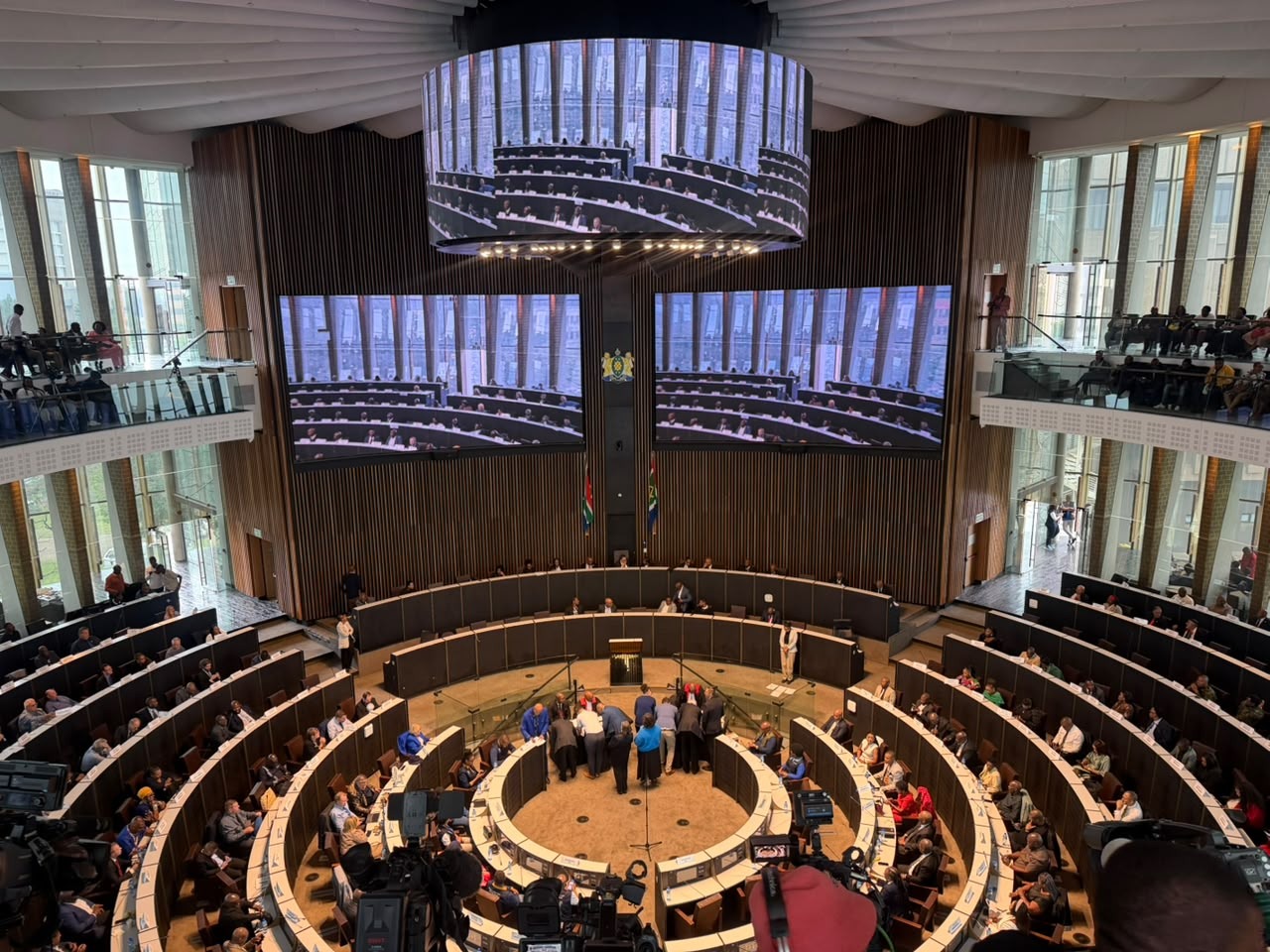
The development follows Monday's inaugural sitting of the Johannesburg City Council, where 270 newly elected councillors were sworn into office at the Constance Connie Bapela Council Chamber in Braamfontein.
Although the election of the city's leadership was initially scheduled to take place during the sitting, the process was delayed as political parties continued negotiations over the formation of a governing coalition.
The Democratic Alliance (DA), which emerged as the largest party in the council, had formally requested that the inaugural meeting be postponed, arguing that coalition discussions had not been concluded and that proceeding could undermine efforts to establish a stable administration.
City Manager Floyd Brink confirmed that he had received several communications from the DA, including a letter from the party's legal representatives.
Brink indicated that he wanted to hear the views of other political parties before making a decision on the request.
The parties are now expected to return to council later in the week, with Thursday, 26 November, emerging as the anticipated date for the mayoral election.
Four-party coalition puts Herman Mashaba in line for mayor
At the centre of the negotiations is a proposed coalition involving the African National Congress (ANC), ActionSA, the Economic Freedom Fighters (EFF) and the uMkhonto weSizwe Party (MKP).
The arrangement could see ActionSA leader Herman Mashaba return to the Johannesburg mayoral office, a position he previously held between 2016 and 2019.
Under the proposed agreement, the MK Party is expected to secure the deputy mayoral position, while the remaining leadership and portfolio allocations are still being discussed.
The four parties collectively hold 137 of the council's 270 seats, giving them the numbers required to elect a mayor and form a governing majority.
The DA secured 91 seats, making it the largest single party in the council, but it fell short of the 136 seats required for an outright majority.
The ANC holds 63 seats, ActionSA has 42, the EFF secured 17, while the MK Party holds 15 seats.
Although the proposed coalition has the numbers to govern, the agreement had not yet been formally signed by Monday, leaving some uncertainty over the final leadership structure.
DA challenges timing of inaugural council meeting
The postponement comes after the DA challenged the timing of the inaugural council meeting, arguing that the legal deadline for convening the first sitting expires on 27 November rather than 23 November.
The party maintained that coalition negotiations were still underway and that allowing the meeting to proceed before those discussions were concluded could prejudice the outcome.
The DA's mayoral candidate, Helen Zille, had requested a postponement, but the city manager initially rejected the request, citing the municipality's statutory obligations.
The dispute added another layer of uncertainty to an already complex political environment, with parties negotiating over control of Johannesburg and other Gauteng metropolitan municipalities.
The ANC's National Executive Committee was also meeting on Monday to consider recommendations from its negotiating team and determine the party's next steps in coalition discussions.
The outcome of those deliberations is expected to influence the final arrangements in Johannesburg, Tshwane and Ekurhuleni.
Johannesburg faces pressure to restore service delivery
The political negotiations are taking place against a backdrop of persistent service-delivery challenges in Johannesburg.
The city continues to face concerns around water shortages, electricity supply, waste collection, infrastructure maintenance and the financial sustainability of municipal services.
Residents will be expecting the incoming administration to prioritise these issues rather than allow political disagreements to delay essential municipal work.
The proposed coalition will also need to demonstrate that its participating parties can work together despite their different political positions and competing interests.
For Mashaba, a return to the mayoral office would mark a significant political comeback. For the ANC, the proposed arrangement would provide an opportunity to participate in governing the country's economic hub despite finishing behind the DA in the council.
The next council sitting is expected to determine whether the parties can conclude their negotiations and formally elect Johannesburg's new leadership.
Until then, the city remains without its newly elected mayor, deputy mayor and Speaker.